 English
 عربى
 中文简体
 Español

Submit feedback
Color PET Heat Transfer Film: The Carrier That Puts the Design on the Product
Nov 27,2026
A color PET heat transfer film is a polyester carrier coated with a release layer and printed with the colored design in reverse. Under heat and pressure, the design releases from the carrier and bonds to the substrate. The PET film holds the print until the moment of transfer, and the release, the color, and the adhesive decide whether the design lands clean or comes out patchy.
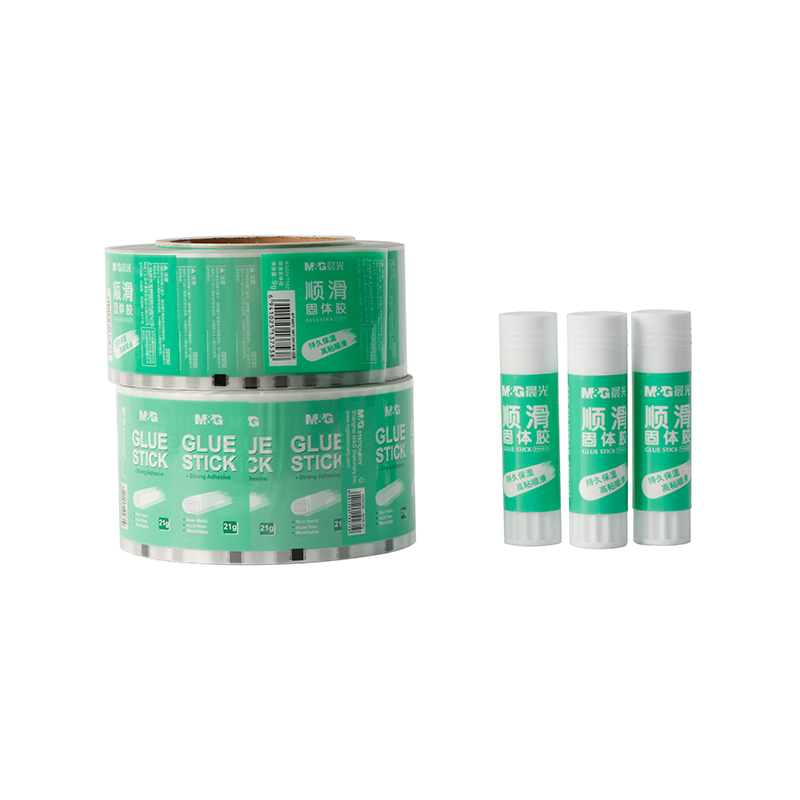
What the factory has to deliver:
- Dimensionally stable PET carrier
- Controlled silicone release across the full width
- Adhesive matched to the substrate
- Color adjusted for the transfer heat
- Consistent winding and the core size
- Roll widths for the production line
A Carrier That Does Not Stretch
The PET carrier is dimensionally stable under the transfer heat. It does not stretch or shrink when the press hits it, so the multicolor design stays in register across the full sheet. A carrier that stretches shifts the colors and the design blurs. A stable one keeps the registration from the first transfer to the hundredth, which matters most on the fine text and the tight logos.
The Release Is a Chemistry Setting, Not a Force
The release layer, usually silicone, sits between the PET and the printed design. When the press applies heat and pressure, the silicone lets go and the design lands on the substrate. The coat weight decides how easily it lets go. Too tight and part of the design stays on the carrier. Too loose and the design releases before the press. The right window is what the buyer is actually paying for, and it has to hold across the full roll width.
Adhesive Follows the Substrate
The adhesive layer sits on top of the design and bonds it to the fabric, the plastic, the metal, or the coated board. Each substrate takes a different chemistry. The adhesive for cotton does not bond polypropylene, and the design lifts after a few days. A film formulated for the specific substrate holds through the wash and the wear.
Color Has to Be Adjusted for the Heat
The transfer heat shifts some pigments. A supplier that understands the shift adjusts the printed color so the transferred result matches the target. A supplier that does not sends the decorator back for another round of samples. The color the buyer approves should be the color that lands on the product, not the color on the carrier.
Apparel, Promo, and Packaging
The apparel decorator uses the film for full-color graphics on shirts and caps. The promotional printer uses it on mugs and keychains. The packaging converter uses it on boxes and labels. Each one needs the film that releases clean and bonds to its own substrate.
Why the Transfer Fails
The design does not release completely and the carrier keeps part of the color. The adhesive does not bond and the design lifts. The colors shift because the ink was not adjusted. The release varies across the roll and the transfer is patchy. Each one is a factory decision made before the film reaches the press.
PREV:No previous article
NEXT:Color Thermal Transfer Film: The Film That Puts the Color on the Label
Leave A Reply
Your email address will not be published. Required fields are marked *
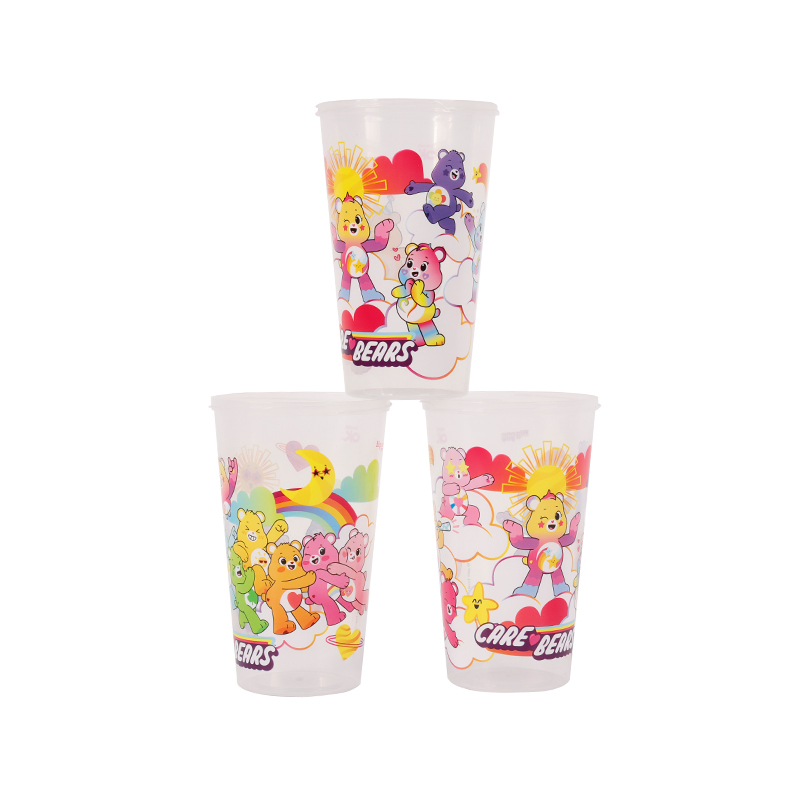



Wenzhou Jiafeng Technology Co., Ltd. specializes in the research and development of various heat transfer and in-mold labeling technologies.
-
Call our office
+86-577-64571870
- Send a message
-
Our address
No. 818, Haixi Road, Longgang City, Wenzhou City, Zhejiang Province
Copyright © Wenzhou JiaFeng Technology Co., Ltd.
China Heat Thermal Transfer Film Labels Factory
