 English
 عربى
عربى 中文简体
中文简体 Español
Submit feedback
How Can Packaging Brands Solve Label Peeling, Printing Wear, and Short Shelf Appeal at the Same Time?
May 15,2026
As global packaging competition becomes increasingly intense, manufacturers and brand owners are under pressure to improve both product protection and visual presentation. In industries such as food packaging, household chemicals, paint containers, and daily consumer goods, packaging is no longer just a container—it has become a direct part of brand communication and purchasing decisions.
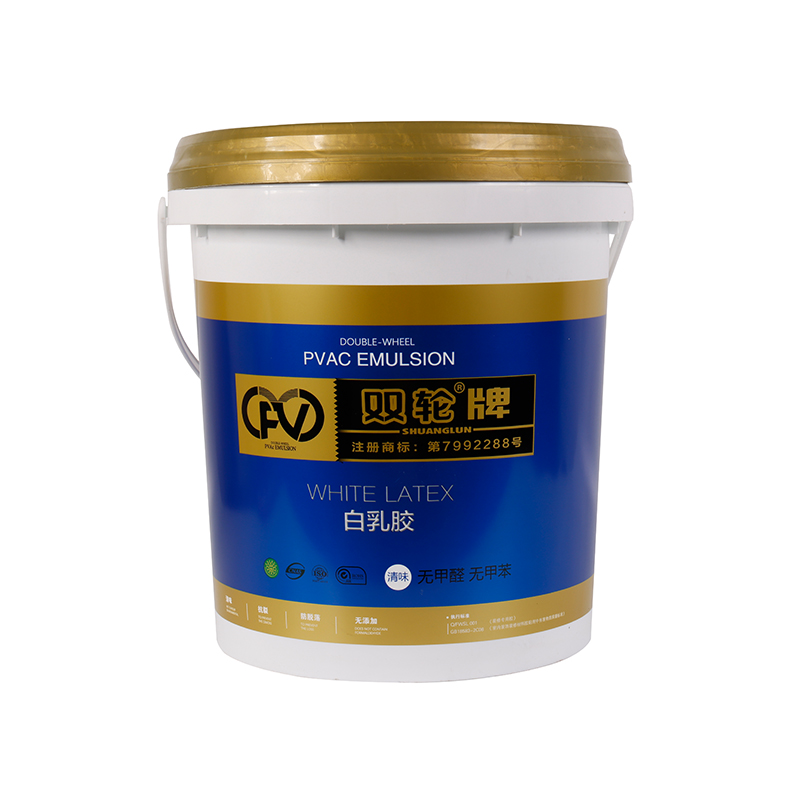
Many overseas buyers are now facing a similar challenge: traditional adhesive labels and standard printing methods often fail under real transportation, storage, and retail conditions. Scratched surfaces, peeling labels, fading colors, and inconsistent branding can negatively affect customer trust and shelf visibility. This is one reason why demand for advanced Plastic Bucket Label in-Mold technology and more flexible Customized Design Products solutions continues to grow across international markets.
Traditional Labels Often Fail in Harsh Logistics Environments
Conventional sticker labels may appear acceptable during initial packaging, but problems frequently emerge during transportation and storage. This is especially common in export markets where products experience long shipping cycles and varying temperatures.
Common issues include:
- Label edges peeling after moisture exposure
- Surface scratches during stacking and transport
- Color fading caused by sunlight or friction
- Air bubbles reducing visual quality
- Adhesive residue affecting container appearance
For industries relying heavily on retail presentation, these problems can directly influence purchasing behavior and brand image.
In-Mold Labeling Improves Durability and Appearance
Modern in-mold labeling technology integrates the label directly into the plastic container during the molding process. Unlike traditional surface-applied labels, the graphics become part of the container itself.
This approach offers several advantages:
- Improved scratch and moisture resistance
- Longer-lasting color stability
- Smoother and more professional appearance
- Better durability during transportation
- Reduced risk of label separation or lifting
Because the label and container become a unified structure, the final product often maintains a cleaner appearance throughout its entire supply chain cycle.
Brand Owners Need More Flexible Packaging Customization
Consumer markets are becoming increasingly segmented, and brands now require more personalized packaging strategies to stand out. Standardized packaging designs often struggle to attract attention in competitive retail environments.
This is driving demand for:
- Customized bucket label printing solutions
- Multi-color packaging design options
- Small-batch packaging customization
- Product-specific branding layouts
- Seasonal and regional packaging variations
Flexible customization allows companies to respond faster to market trends while improving product differentiation.
Sustainability Expectations Are Influencing Packaging Decisions
Environmental awareness is now affecting packaging procurement across multiple industries. Buyers are paying closer attention to packaging materials, recyclability, and production efficiency.
Compared with traditional adhesive labels, integrated labeling systems can help simplify material structures and improve recycling compatibility in some applications.
Important sustainability considerations include:
- Reduced use of separate adhesive materials
- Cleaner container surface recycling process
- Lower risk of label contamination during recycling
- Lightweight packaging optimization
- Longer product lifespan reducing replacement waste
These factors are becoming increasingly important for export-oriented brands.
Manufacturing Precision Directly Affects Packaging Quality
For packaging buyers, consistency is just as important as appearance. Poor printing alignment, unstable molding quality, or inconsistent color control can create serious problems in mass production environments.
Professional manufacturers focus on:
- Accurate label positioning during molding
- Stable color matching across production batches
- High-resolution graphic printing capability
- Strong mold integration control
- Flexible OEM/ODM packaging development support
Reliable production systems help ensure that packaging quality remains stable even during large-volume orders.
Overseas Buyers Are Prioritizing Functional Packaging Performance
Global procurement trends show that buyers are increasingly evaluating packaging solutions based on real-world performance rather than only design aesthetics.
Key evaluation factors now include:
- Durability during international transportation
- Moisture and abrasion resistance
- Shelf presentation consistency
- Compatibility with automated filling systems
- Supplier capability for customized packaging development
This reflects a growing shift toward practical, performance-oriented packaging procurement strategies.
Future Packaging Will Combine Branding, Protection, and Efficiency
The future of industrial and consumer packaging is moving toward fully integrated solutions that combine durability, visual identity, and production efficiency. Packaging is no longer treated as a secondary component—it is now part of the overall product experience.
Future development trends include:
- Smarter integrated labeling technologies
- Greater personalization for niche markets
- Improved sustainability compatibility
- Faster customization response for global brands
- More durable packaging for cross-border logistics
As international competition continues increasing, advanced Plastic Bucket Label in-Mold technology and flexible Customized Design Products solutions will become increasingly important for brands seeking stronger shelf visibility, better transportation durability, and more professional packaging performance in global markets.
PREV:Why Are More Packaging Buyers Replacing Traditional Sticker Labels With Integrated Decoration Solutions?
NEXT:Is In-Mold Labeling Redefining Modern Bucket Packaging and Brand Identity?
NEXT:Is In-Mold Labeling Redefining Modern Bucket Packaging and Brand Identity?
Leave A Reply
Your email address will not be published. Required fields are marked *



Wenzhou Jiafeng Technology Co., Ltd. specializes in the research and development of various heat transfer and in-mold labeling technologies.
-
Call our office
+86-577-64571870
- Send a message
-
Our address
No. 818, Haixi Road, Longgang City, Wenzhou City, Zhejiang Province
Copyright © Wenzhou JiaFeng Technology Co., Ltd.
China Heat Thermal Transfer Film Labels Factory
