 English
 عربى
عربى 中文简体
中文简体 Español
Submit feedback
IML PP Plastic In-Mold Label: The Label That Becomes Part of the Container
Oct 02,2026
A label that peels off a yogurt cup. A label that scratches off a food container. A label that fades on a chemical bottle. These are the failures of the sticker. In-mold labeling fixes them by putting the label inside the mold before the plastic is injected. The label fuses to the container wall. An IML PP plastic in-mold label is made of polypropylene, the same material as the container, so the bond is molecular, not adhesive. The label is not on the container. It is part of the container. For food packaging, chemical containers, and durable goods, the IML label is the one that cannot peel because there is nothing to peel.
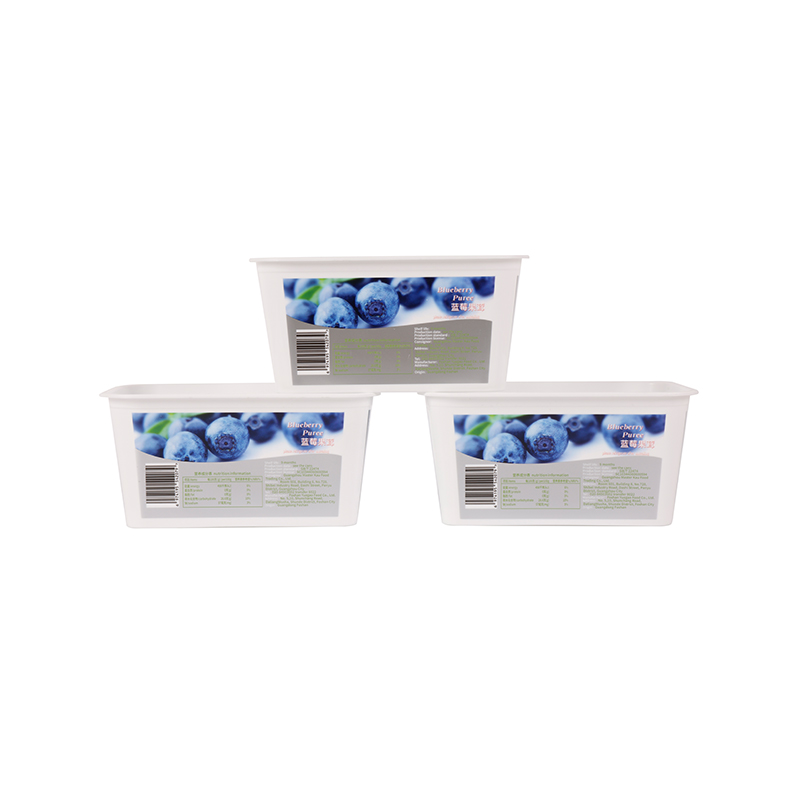
The PP Label and the PP Container
The label and the container are both polypropylene. When the molten PP injects into the mold, it contacts the back of the label. The label surface melts and the two PP surfaces fuse. An IML PP plastic in-mold label with a properly matched material creates a bond that is as strong as the container wall itself.
The label is printed on PP film. The print is sealed under a clear PP layer or applied to the surface, depending on the design. An IML PP plastic in-mold label with the print protected by a clear layer resists the scuffs and the chemicals that would wear a surface print.
The PP film has to be thin enough to conform to the container shape but thick enough to survive the injection. An IML PP plastic in-mold label with the right film gauge holds its shape in the mold and bonds without wrinkling.
The Mold and the Injection
The label is placed into the mold cavity before the injection. A robot or a mechanical arm picks the label and positions it. Static electricity or vacuum holds it against the cavity wall. An IML PP plastic in-mold label with a properly designed retention system stays put while the molten PP fills the cavity.
The injection is fast and hot. The PP melt hits the label at high speed and temperature. The label has to survive that without shifting, wrinkling, or burning. An IML PP plastic in-mold label with the right film and the right ink handles the injection environment.
The label becomes the surface of the container. The container comes out of the mold with the label already on it. No secondary labeling step. No adhesive. No curing time. An IML PP plastic in-mold label removes a whole step from the production line.
The Print and the Protection
The print carries the brand, the product information, the nutrition facts, the barcode. It has to be sharp and accurate. An IML PP plastic in-mold label with high-resolution printing meets the same standards as a pressure-sensitive label.
The print is protected. A surface print on a sticker scratches and fades. An IML PP plastic in-mold label with the print under a clear PP layer resists the abrasion of stacking, shipping, and shelf handling.
The finish is gloss or matte. The gloss label pops under the store light. The matte label looks premium. An IML PP plastic in-mold label with the right finish for the brand sits well on the shelf.
Here is what an IML PP plastic in-mold label needs to deliver:
- PP label film matched to the PP container resin
- Molecular bond between label and container
- Print protected under a clear layer
- Retention system that holds the label during injection
- Film gauge that conforms and survives
- Gloss or matte finish as specified
The Food Container and the Chemical Bottle
The food container uses the IML label for the shelf presence and the durability. The label survives the fridge, the microwave, the dishwasher. An IML PP plastic in-mold label on a food container stays readable through the product's life.
The chemical bottle uses the IML label because the label has to resist the chemical. A sticker would dissolve or peel. An IML PP plastic in-mold label on a chemical bottle withstands the drips and the fumes.
The durable goods packaging uses the IML label for the long life. The container is reused, stacked, and handled. An IML PP plastic in-mold label on a returnable container keeps the brand visible through the use.
The Label That Shifts or Wrinkles
The label shifts in the mold because the retention system failed. The print is skewed. An IML PP plastic in-mold label with a proper vacuum or static hold stays in place. The label wrinkles because the film was too thin or the injection was too aggressive. A properly specified film handles the fill. The print fades because the ink was not protected. A clear protective layer over the print stops the wear.
An IML PP plastic in-mold label is the label that cannot peel. It is part of the container. The print is protected. The bond is molecular. Choose a label with the right film, the right ink, and the right retention. The container will carry the brand through its whole life. That is the point. That is what the IML label is for.
PREV:No previous article
NEXT:Three-Color Customized Heat Transfer Film: The Film That Puts Your Three Colors on the Product
NEXT:Three-Color Customized Heat Transfer Film: The Film That Puts Your Three Colors on the Product
Leave A Reply
Your email address will not be published. Required fields are marked *



Wenzhou Jiafeng Technology Co., Ltd. specializes in the research and development of various heat transfer and in-mold labeling technologies.
-
Call our office
+86-577-64571870
- Send a message
-
Our address
No. 818, Haixi Road, Longgang City, Wenzhou City, Zhejiang Province
Copyright © Wenzhou JiaFeng Technology Co., Ltd.
China Heat Thermal Transfer Film Labels Factory
