 English
 عربى
عربى 中文简体
中文简体 Español
Submit feedback
Paint Bucket In Mold Label Factory: The Label That Becomes Part of the Bucket Wall
Oct 16,2026
A paint bucket sits on a shelf with a dozen others. The label wraps around it, showing the color, the finish, and the brand. If that label peels, the bucket looks cheap. If it fades in the sun, the color on the bucket no longer matches the paint inside. A paint bucket in mold label factory solves both problems by putting the label into the mold before the plastic is injected. The label fuses to the bucket wall and becomes part of it. There is no adhesive and no edge to lift.
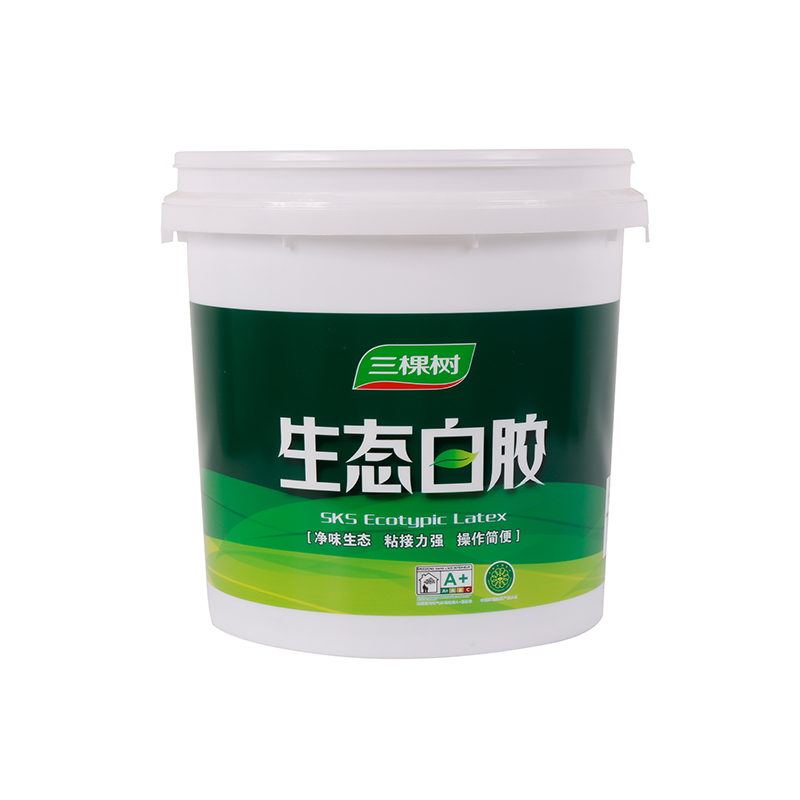
The Label and the Bucket Are the Same Material
The label is printed on a polypropylene film. The bucket is molded from polypropylene. When the molten plastic enters the cavity and contacts the back of the label, the two PP surfaces melt together. The bond is molecular. A paint bucket in mold label factory that matches the label film to the bucket resin produces a bond that cannot peel because there is no interface to separate.
A mismatched label, PET on PP or paper on PP, sits on the surface with a weak mechanical grip. The first drop or the first scrape lifts the edge. The factory that controls the material match controls the product.
The Robot Places the Label Before the Mold Closes
The label is printed, cut to shape, and stacked in a magazine. A robot arm or a mechanical picker lifts one label and places it into the open mold cavity. Static electricity or vacuum holds the label against the cavity wall while the mold closes and the plastic injects.
The placement has to be exact. A label that shifts during injection produces a bucket with the print skewed or the label edge exposed. A paint bucket in mold label factory with a reliable retention system holds the label flat and still through the fill.
The Print Is Sealed Under the Surface
The label carries the brand, the color name, the safety warnings, and the barcode. In a conventional sticker, the print sits on top and wears off. In an in-mold label, the print is buried under a clear PP layer or protected inside the film structure. Solvent drips, paint splashes, and the abrasion of stacking do not reach the ink.
The UV performance matters because paint buckets sit outdoors on job sites. A paint bucket in mold label factory that uses UV-stabilized inks and a UV-resistant film keeps the label legible through a season in the sun. A cheap ink fades to pale gray and the color match between the label and the paint inside is lost.
Here is what the factory has to get right:
- Polypropylene label film matched to the bucket resin
- Label retention in the mold cavity through the injection
- Print protected under a clear layer or inside the film
- UV-stabilized inks for outdoor exposure
- Chemical resistance to the paint and the solvents
- Consistent label placement across the production run
Where the Labels End Up
Paint and coating buckets use in-mold labels for the durability and the shelf appearance. The label survives the drips and the stacking.
Chemical and lubricant containers use the same technology because the label has to resist the contents and the outdoor storage.
Food and household containers use in-mold labels for the clean look and the washable surface.
The Bucket That Looks Old Before It Is Sold
The label peels at the corner and the bucket looks used. The print fades and the color no longer matches the paint. The label shifts during molding and the brand name is crooked. Each one traces back to the factory.
A paint bucket in mold label factory produces a label that is not a label. It is part of the bucket. It does not peel and it does not fade. Choose a factory that matches the film to the resin and holds the placement.
PREV:No previous article
NEXT:Stationery Heat Transfer Film Factory: The Film That Puts the Design on the Notebook
NEXT:Stationery Heat Transfer Film Factory: The Film That Puts the Design on the Notebook
Leave A Reply
Your email address will not be published. Required fields are marked *



Wenzhou Jiafeng Technology Co., Ltd. specializes in the research and development of various heat transfer and in-mold labeling technologies.
-
Call our office
+86-577-64571870
- Send a message
-
Our address
No. 818, Haixi Road, Longgang City, Wenzhou City, Zhejiang Province
Copyright © Wenzhou JiaFeng Technology Co., Ltd.
China Heat Thermal Transfer Film Labels Factory
