 English
 عربى
عربى 中文简体
中文简体 Español
Submit feedback
Plastic Bucket Label In-Mold Factory: Production Advances for Durable Decoration
Jul 10,2026
The plastic bucket label in-mold factory has become a critical supply node for packaging manufacturers seeking durable, high-quality labeling solutions for industrial and consumer containers. This specialized facility produces labels that are placed inside the mold before the plastic bucket is formed, resulting in a label that becomes permanently fused with the container surface during the molding process. Recent production data indicate that in-mold labeling has gained significant market share over traditional adhesive labels due to its predominant durability, resistance to peeling, and overall aesthetic quality.
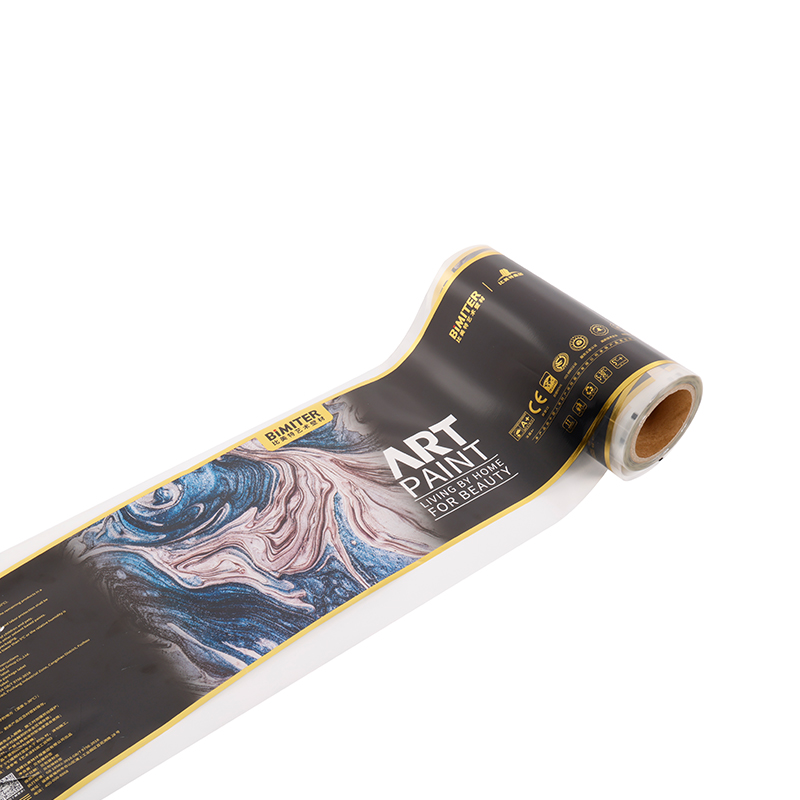
In-Mold Labeling Process and Material Selection
The in-mold labeling process integrates label placement directly into the injection molding or blow molding cycle. Labels are precision-cut to match the bucket's contours and placed into the open mold using manual or automated methods, then held in position by static electricity, vacuum, or mechanical clamping. When molten plastic is injected or blown into the mold, the label fuses with the bucket surface as the plastic cools and solidifies. The label material must be compatible with the bucket resin to ensure proper fusion. Common label materials include biaxially oriented polypropylene for general-purpose buckets, polyethylene-based films for flexible containers, synthetic paper for writable surfaces, and metallized films for premium appearance. The label thickness typically ranges from 30 to 80 microns, and the material's melt point must closely match the bucket resin to avoid distortion during molding.
Printing Technology and Decoration Capabilities
The factory utilizes high-speed printing equipment to produce vibrant, detailed labels that withstand molding heat and pressure. Printing methods include flexographic printing for high-volume runs, rotogravure for fine detail and high resolution, and digital printing for short runs and variable data. The factory offers a range of decoration options to meet different customer requirements:
- UV-curable inks that provide enhanced durability and chemical resistance;
- Barrier coatings that protect the label from moisture and grease;
- Scratch-resistant finishes that maintain appearance through repeated handling;
- Metallized or holographic effects for premium branding and shelf appeal.
The printing process ensures color accuracy and registration across production runs, with quality checks performed at each stage to maintain consistency.
Production Efficiency and Quality Control
In-mold labeling offers outstanding production efficiency, as label placement occurs during the molding cycle without adding significant time. Many factories have implemented automated label placement systems capable of handling hundreds of labels per minute, which reduces labor costs and improves consistency. The integration of labeling into the molding process eliminates the need for separate adhesive application steps, reducing production time and material costs. Quality control is maintained through incoming material inspections of label stock and print quality, in-process monitoring of label placement accuracy and fusion quality, and finished product testing for label adhesion and appearance. The factory also ensures compliance with food contact regulations for buckets used in food packaging, maintaining traceability from raw materials to finished products.
Durability Characteristics and Selection Criteria
In-mold labels offer several performance advantages over traditional adhesive labels:
- Resistance to moisture and humidity without adhesive degradation;
- outstanding chemical resistance for industrial and chemical containers;
- Scratch resistance and durability for reusable buckets;
- Fade resistance for long-term exposure to sunlight and UV light.
These properties make in-mold labeled buckets suitable for food packaging, industrial lubricants and chemicals, home improvement and paint containers, and agricultural seed and feed packaging. When selecting a factory, buyers evaluate production capacity for volume requirements, quality control standards for consistency, material compatibility with their specific bucket resins, print quality for branding effectiveness, and overall cost and lead time. Requesting samples before placing production orders helps verify that the labels meet durability and aesthetic requirements. With proper selection, in-mold labeling provides a reliable, cost-effective solution for high-quality bucket decoration.
PREV:Customized Pattern Heat Transfer Film: Versatile Decoration Solution for Products
NEXT:Stationery Heat Transfer Film Factory: The Designs Kids Actually Want
NEXT:Stationery Heat Transfer Film Factory: The Designs Kids Actually Want
Leave A Reply
Your email address will not be published. Required fields are marked *



Wenzhou Jiafeng Technology Co., Ltd. specializes in the research and development of various heat transfer and in-mold labeling technologies.
-
Call our office
+86-577-64571870
- Send a message
-
Our address
No. 818, Haixi Road, Longgang City, Wenzhou City, Zhejiang Province
Copyright © Wenzhou JiaFeng Technology Co., Ltd.
China Heat Thermal Transfer Film Labels Factory
