 English
 عربى
عربى 中文简体
中文简体 Español
Submit feedback
Can Smart Packaging Transform Industrial Containers? Discover the Power of In-Mold Labels!
Mar 13,2026
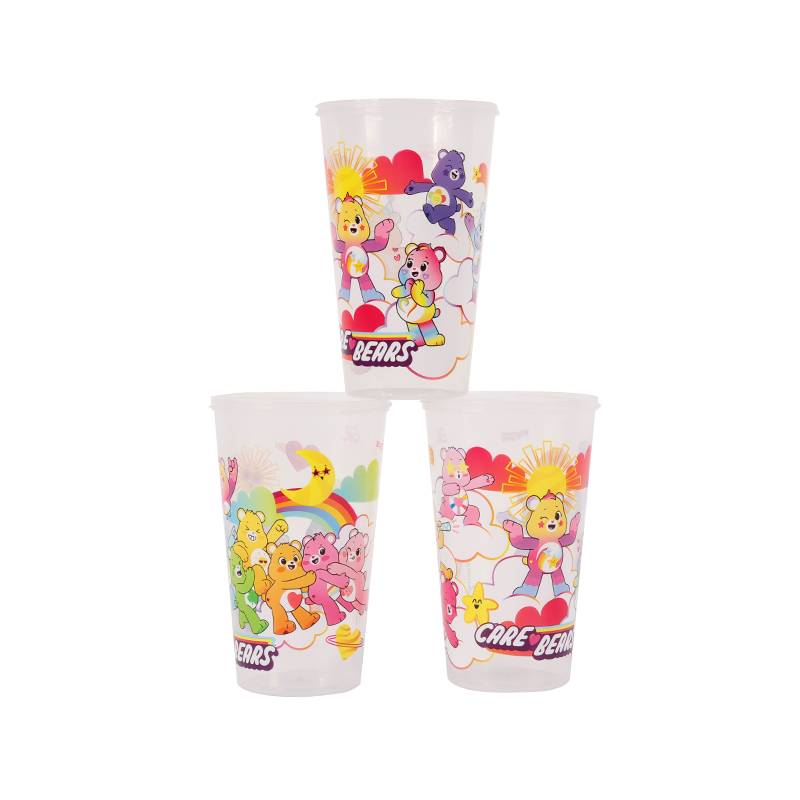
As global markets continue to evolve, companies are paying closer attention to how packaging influences brand perception, logistics efficiency, and product protection. Industrial packaging, once considered purely functional, is now viewed as an important part of a company’s brand strategy. Technologies like Plastic Bucket Label in-Mold are attracting growing interest because they integrate labeling directly into the container manufacturing process. For industries such as coatings, chemicals, and construction materials, packaging must remain durable and visually consistent during transportation and storage. In this context, solutions such as Paint Bucket In Mold Label are becoming an increasingly practical choice for manufacturers seeking both performance and visual appeal.

The Evolution of Industrial Packaging
Industrial packaging has changed significantly over the years. In the past, containers were designed primarily to hold and transport materials. Today, packaging also acts as a communication platform that delivers brand identity, product information, and safety guidance.
Modern buyers expect packaging that looks professional while remaining durable under demanding conditions. Labels that fade, peel, or wrinkle may create an impression of lower quality. As a result, businesses are searching for labeling methods that combine long-lasting performance with strong visual presentation.
In-mold labeling technology provides a solution that aligns well with these expectations.
How In-Mold Labeling Works
In-mold labeling is a manufacturing technique where the printed label is placed inside the mold before the plastic container is formed. During the molding process, the label fuses with the container surface and becomes an integrated part of the packaging.
Because the label is embedded directly into the plastic structure, it forms a smooth and durable surface. This integration allows manufacturers to produce containers that maintain their appearance even when exposed to moisture, friction, or frequent handling.
The result is a label that remains visually stable while supporting efficient automated production.
Enhancing Brand Visibility Through Packaging
In many industries, brand differentiation plays a crucial role in purchasing decisions. When multiple products appear on store shelves or in online listings, packaging design often becomes a key factor in attracting attention.
High-quality printing technology allows in-mold labels to display vivid colors, clear graphics, and detailed branding elements. This capability enables companies to communicate their brand message directly through the packaging surface.
For paint manufacturers, construction suppliers, and chemical producers, visually appealing containers can reinforce brand credibility and create a more recognizable product presence in the marketplace.
Durability That Supports Real-World Use
Industrial containers are often exposed to demanding environments. During shipping, storage, and job-site use, containers may experience impacts, temperature changes, or moisture exposure.
In-mold labeling technology is designed to perform well under these conditions. Because the label becomes part of the container itself, it does not rely on adhesives that may weaken over time.
Key durability advantages include:
- Resistance to scratches and surface wear
- Improved tolerance to moisture and environmental exposure
- Consistent appearance throughout the product lifecycle
- Reduced risk of label peeling or bubbling
These benefits help maintain a professional product image even after extended handling.
Supporting Efficient Production Processes
Manufacturers are always seeking ways to streamline production without compromising quality. In-mold labeling contributes to efficiency because the labeling process occurs during container molding.
This integration reduces the need for separate labeling steps, which can simplify production lines and improve overall consistency. Automated molding equipment can place labels accurately and repeatedly, helping ensure uniform results across large production batches.
For companies producing large quantities of plastic containers, this efficiency can support stable and scalable manufacturing.
Sustainability Awareness in Packaging
Environmental responsibility has become an important conversation across global markets and online communities. Many businesses are exploring packaging solutions that align with sustainability goals.
In-mold labeling can support recycling efforts because the label and container are often produced from compatible materials. This compatibility simplifies material separation during recycling processes.
Additionally, integrated labeling can reduce the need for additional adhesives or secondary labeling materials, contributing to a more streamlined packaging structure.
Manufacturing Expertise Makes the Difference
While the concept of in-mold labeling is widely recognized, achieving consistent quality requires strong technical knowledge and manufacturing experience. Factors such as printing accuracy, material selection, and mold design all influence the final product.
As a manufacturer specializing in packaging solutions, we focus on maintaining strict production standards and reliable quality control. Our goal is to provide labeling solutions that meet the practical needs of industrial clients while supporting their brand presentation.
By combining advanced production techniques with careful process management, manufacturers can deliver packaging components that perform reliably across different industries.
As industries continue to adapt to new market expectations, packaging technology will likely remain an area of ongoing innovation. Companies are increasingly interested in solutions that balance durability, efficiency, and visual impact.
Integrated labeling technologies are expected to play an important role in this development. Products like Plastic Bucket Label in-Mold allow brands to present a clean and professional appearance while supporting efficient container production. For manufacturers seeking durable labeling solutions in industrial packaging, Paint Bucket In Mold Label continues to represent a practical and forward-thinking option for modern container design.
PREV:How Are In-Mold Labels Revolutionizing Industrial and Paint Packaging?
NEXT:Why Are In-Mold Labels Becoming the New Trend in Packaging Innovation?
NEXT:Why Are In-Mold Labels Becoming the New Trend in Packaging Innovation?
Leave A Reply
Your email address will not be published. Required fields are marked *



Wenzhou Jiafeng Technology Co., Ltd. specializes in the research and development of various heat transfer and in-mold labeling technologies.
-
Call our office
+86-577-64571870
- Send a message
-
Our address
No. 818, Haixi Road, Longgang City, Wenzhou City, Zhejiang Province
Copyright © Wenzhou JiaFeng Technology Co., Ltd.
China Heat Thermal Transfer Film Labels Factory
