 English
 عربى
عربى 中文简体
中文简体 Español
Submit feedback
How Are In-Mold Labels Revolutionizing Industrial and Paint Packaging?
Mar 20,2026
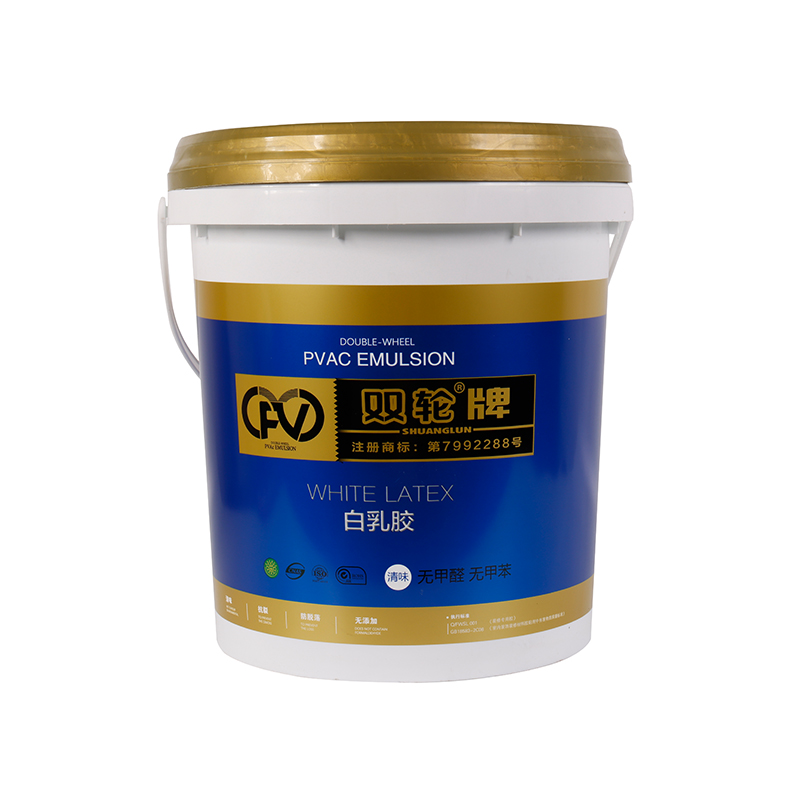
In the competitive world of industrial packaging, brands are continuously seeking solutions that combine durability, aesthetic appeal, and production efficiency. One technology pilot this transformation is Plastic Bucket Label in-Mold, which integrates labels directly into the plastic container during molding. This method not only enhances the container’s visual appeal but also improves its durability and resistance to environmental stresses. Industries such as paints, coatings, and chemicals are increasingly adopting this approach because it ensures consistent product presentation from factory to end-user. Among these innovative solutions, the Paint Bucket In Mold Label stands out as a reliable option for manufacturers looking to elevate both branding and functionality.

Seamless Integration for Enhanced Packaging Quality
Traditional labeling methods often involve applying stickers or adhesive labels after the container is produced. These can peel, fade, or suffer damage during transport and handling. In contrast, in-mold labeling fuses the printed label with the plastic itself, creating a smooth and durable finish that maintains its appearance over time.
For industrial manufacturers, this integration reduces the risk of label damage and ensures that every unit leaving the production line reflects high-quality standards. Containers with in-mold labels can withstand moisture, friction, and environmental exposure, making them ideal for demanding industries.
Visual Appeal and Brand Consistency
Branding plays a critical role in consumer perception. With the rise of social media and e-commerce, packaging is now a powerful marketing tool. In-mold labels allow for full-color, high-resolution printing directly onto the container, supporting detailed graphics, logos, and product information.
Consistency across production batches ensures that every container aligns with brand guidelines, enhancing recognition and building customer trust. For companies in the paint and chemical sectors, this consistency is vital for standing out on crowded shelves or online listings.
Efficiency and Production Benefits
In-mold labeling integrates the labeling step with the molding process, eliminating the need for secondary label application. This approach offers several operational advantages:
- Reduces production time and labor costs
- Minimizes errors and misalignment in labeling
- Supports automated, high-volume manufacturing
- Provides consistent quality across large batches
- Simplifies logistics by reducing separate labeling processes
These benefits make in-mold labeling an efficient and scalable solution for industrial manufacturers.
Durability Under Demanding Conditions
Industrial containers often face harsh conditions, including rough handling, temperature fluctuations, and exposure to chemicals or moisture. In-mold labels excel in these scenarios due to their integration with the container surface. They resist peeling, fading, and damage that can occur with traditional adhesive labels, ensuring that the packaging maintains its professional appearance throughout its lifecycle.
Sustainability and Environmental Considerations
Sustainability is an increasing focus for brands and consumers worldwide. In-mold labeling can support eco-friendly packaging initiatives because labels and containers are often produced from compatible materials, making recycling more straightforward. Additionally, integrating labels into the container reduces the need for extra adhesives or secondary materials, further decreasing environmental impact.
The Role of Expertise in Manufacturing
Successful implementation of in-mold labels requires precision in both mold design and printing. As a professional manufacturer, we prioritize quality control, ensuring that labels are accurately aligned, fully fused, and visually consistent. This expertise enables clients to rely on packaging that is both functional and aesthetically impressive, strengthening their brand image.
The Future of Industrial Labeling
As industries embrace automation, sustainability, and enhanced branding, integrated packaging technologies are poised to become a standard practice. Solutions like Plastic Bucket Label in-Mold provide both practical benefits and marketing advantages. For industrial manufacturers and brands seeking reliable, durable, and visually compelling packaging, the Paint Bucket In Mold Label represents an innovative, high-quality choice that meets modern market demands.
PREV:Are In-Mold Labels the Ultimate Solution for Industrial and Paint Packaging?
NEXT:Can Smart Packaging Transform Industrial Containers? Discover the Power of In-Mold Labels!
NEXT:Can Smart Packaging Transform Industrial Containers? Discover the Power of In-Mold Labels!
Leave A Reply
Your email address will not be published. Required fields are marked *



Wenzhou Jiafeng Technology Co., Ltd. specializes in the research and development of various heat transfer and in-mold labeling technologies.
-
Call our office
+86-577-64571870
- Send a message
-
Our address
No. 818, Haixi Road, Longgang City, Wenzhou City, Zhejiang Province
Copyright © Wenzhou JiaFeng Technology Co., Ltd.
China Heat Thermal Transfer Film Labels Factory
