 English
 عربى
 中文简体
 Español

Submit feedback
Customized Heat Transfer Film: The Carrier That Moves the Design Onto the Product
Oct 23,2026
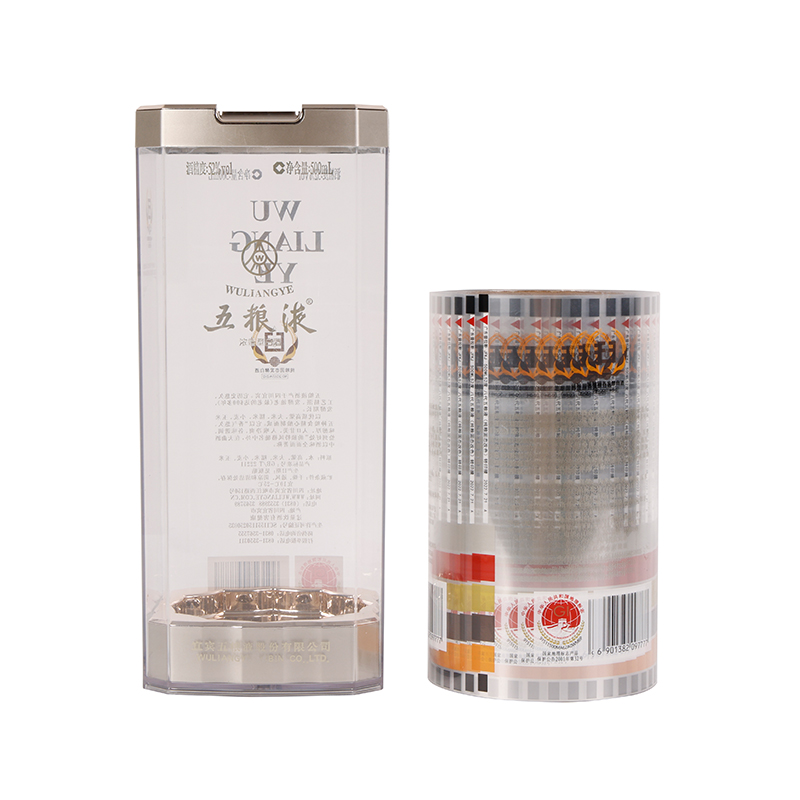
A logo on a cap. A pattern on a phone case. A graphic across a jersey. None of these started on the product. They started on a roll of film, printed in reverse, waiting for the heat and the pressure to move the design from the carrier to the substrate. Customized heat transfer film is that carrier. It holds the brand's artwork in a thin layer that releases under the heat press and bonds to the target surface. For apparel decorators, promotional product printers, and packaging converters, the film is the bridge between the design file and the finished good.
The Layers That Make the Transfer Work
Heat transfer film is a sandwich. The base is the polyester carrier coated with the release layer. The design is printed on top of the release layer in reverse. The adhesive layer sits on top of the design. When the heat and the pressure hit the film, the release layer lets go. The design and the adhesive transfer to the product. The carrier peels away.
Customized heat transfer film starts with the design the customer supplies. The manufacturer adjusts the print process to match the artwork. The spot colors are matched. The halftones are adjusted. The customized film that reproduces the brand's design accurately requires the manufacturer that understands both the printing and the thermal behavior of the film.
The release temperature is the critical parameter. Too low and the design does not release fully. Too high and the film scorches or the substrate is damaged. The customized heat transfer film is formulated for the specific release window.
The Pattern That Repeats and the Logo That Does Not
A pattern repeats across the product, aligning edge to edge. The customized heat transfer film with the repeating pattern is printed so the pattern matches at the seam. The manufacturer registers the repeat so the user can align the next transfer with the previous one.
The pattern scale matters. A pattern too large for the product looks wrong. A pattern too small looks busy. The customized heat transfer film with the pattern scaled to the product works.
The Adhesive and the Substrate
The adhesive layer activates under the heat and bonds to the substrate. The chemistry has to match the substrate. The polyester fabric needs the different adhesive than the cotton. The polypropylene packaging needs the different adhesive than the powder-coated metal.
The peel type is the other variable. The hot peel transfers release the carrier immediately after the pressing. The cold peel requires the cooling before the carrier is removed. The hot peel is faster on the production line. The cold peel gives the more durable bond for the heavy washing.
Here is what the customized heat transfer film has to get right:
- Design printed in reverse with the accurate color matching
- Release temperature and the dwell time specified
- Adhesive matched to the substrate
- Pattern repeat registered for the multi-transfer alignment
- Peel type suited to the production and the use
- Durability appropriate to the end product
The Decorator and the Converter
The apparel decorator uses the film for the full-color patterns on the jerseys, the caps, and the bags. The promotional printer uses the film for the branded patterns on the mugs, the keychains, and the phone cases. The packaging converter uses the film for the decorative patterns on the boxes and the containers.
The Design That Cracks and the Carrier That Sticks
The design cracks after the few washes because the adhesive was not matched to the fabric. The colors shift during the transfer because the heat changed the pigments. The manufacturer that accounts for the shift adjusts the printed colors. The carrier does not release cleanly and the part of the design stays on the film. The properly cured release coating lets go.
A customized heat transfer film carries the design from the file to the product. The release layer lets go. The adhesive bonds. Choose a manufacturer that prints accurately and matches the adhesive to the substrate.
PREV:No previous article
NEXT:Paint Bucket In Mold Label Factory: The Label That Becomes Part of the Bucket Wall
NEXT:Paint Bucket In Mold Label Factory: The Label That Becomes Part of the Bucket Wall
Leave A Reply
Your email address will not be published. Required fields are marked *



Wenzhou Jiafeng Technology Co., Ltd. specializes in the research and development of various heat transfer and in-mold labeling technologies.
-
Call our office
+86-577-64571870
- Send a message
-
Our address
No. 818, Haixi Road, Longgang City, Wenzhou City, Zhejiang Province
Copyright © Wenzhou JiaFeng Technology Co., Ltd.
China Heat Thermal Transfer Film Labels Factory
