 English
 عربى
عربى 中文简体
中文简体 Español
Submit feedback
Customized Heat Transfer Film: The Film That Puts Your Design on Their Product
Aug 21,2026
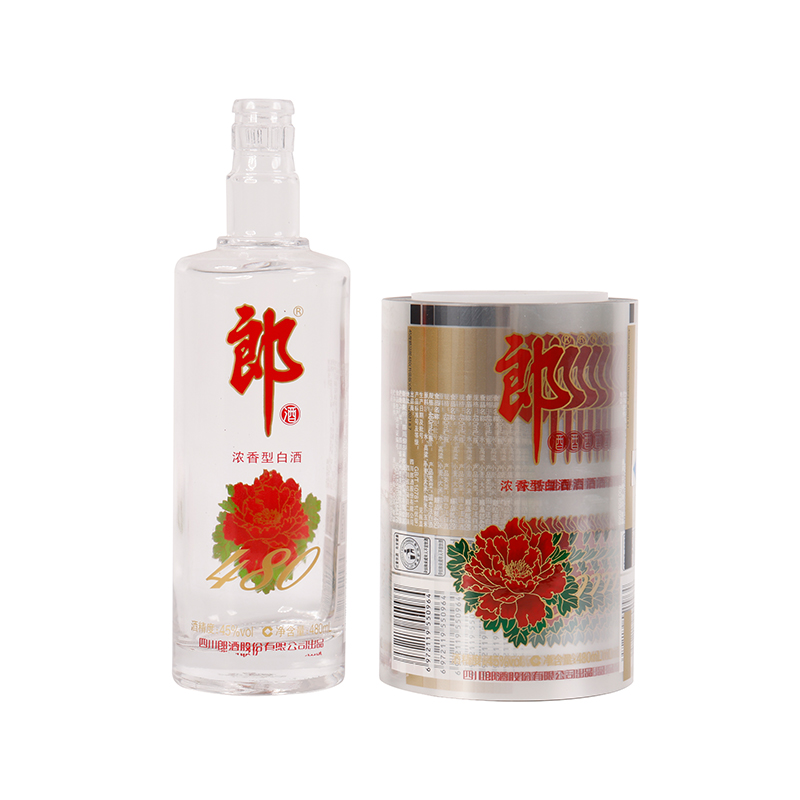
A logo on a cap. A pattern on a phone case. A graphic across the chest of a jersey. These decorations did not start on the product. They started on a roll of film, printed in reverse, waiting for heat and pressure to move the design from the carrier to the substrate. Customized heat transfer film is that carrier. It holds a brand's artwork, color palette, and textures in a thin layer that releases under a heat press and bonds permanently to the target surface. For apparel decorators, promotional product printers, and packaging manufacturers, the film is the bridge between the design file and the finished good.
The Layers That Make the Transfer Work
Heat transfer film is a sandwich. The base is a polyester carrier coated with a release layer. The design is printed on top of that release layer in reverse. An adhesive layer sits on top of the design, waiting to bond to the substrate. When heat and pressure hit the film, the release layer lets go. The design and adhesive transfer to the product. The carrier is peeled away and discarded.
Customized heat transfer film starts with the design the customer supplies. The manufacturer adjusts the print process to match the artwork. Spot colors are matched with the appropriate inks. Halftones and gradients are adjusted for the transfer process. A customized heat transfer film that reproduces the brand's design accurately requires a manufacturer that understands both printing and the thermal behavior of the film.
The release temperature is the critical process parameter. Too low and the design does not release fully from the carrier. Too high and the film scorches or the substrate is damaged. Customized heat transfer film is formulated for a specific release temperature window. The manufacturer provides the settings: temperature, pressure, dwell time. The decorator follows the spec and the transfer works.
Film Types for Different Jobs
Not all heat transfer film is the same material. The choice depends on the substrate and the look. PU film is soft, stretchy, and durable. It works on apparel, especially performance wear and stretch fabrics. PVC film is less expensive and works on hard goods like plastic cases and metal signs. A customized heat transfer film manufacturer selects the film chemistry based on where the design will end up.
The finish is part of the customization. Gloss for a shiny, wet look. Matte for a flat, understated finish. Metallic for gold, silver, and holographic effects. Soft-touch for a velvety feel. A customized heat transfer film with a specialty finish adds tactile value that screen printing cannot match.
Thickness of the transferred design affects both durability and hand feel. A thin transfer disappears into the fabric. A thick transfer creates a dimensional, almost embossed effect. Customized heat transfer film is available in a range of thicknesses matched to the application.
The Adhesive That Sticks for Life
The adhesive layer activates under heat and bonds to the substrate. The adhesive chemistry has to match the substrate material. Polyester fabric needs a different adhesive than cotton. Polypropylene packaging needs a different adhesive than powder-coated metal. A customized heat transfer film manufacturer formulates or selects the adhesive for the specific bond.
Peel type is the other variable. Hot peel transfers release the carrier immediately after pressing. Cold peel transfers require cooling before the carrier is removed. The difference affects production speed. A customized heat transfer film with hot peel release moves faster on a production line. Cold peel provides a more durable bond for applications that will see heavy washing or outdoor exposure.
Wash fastness on apparel is the ultimate test. The transfer has to survive dozens of laundry cycles without cracking, peeling, or fading. A customized heat transfer film for garments is tested through repeated wash cycles to verify durability.
Here is what a customized heat transfer film needs to deliver:
- Design printed in reverse with accurate color matching
- Release temperature and dwell time clearly specified
- Film chemistry and adhesive matched to the substrate
- Finish options including gloss, matte, metallic, and soft-touch
- Wash fastness or outdoor durability appropriate to the end use
Who Orders Customized Film
Apparel brands and promotional product companies order customized heat transfer film for logo application. The film allows full-color, photorealistic logos on caps, bags, and jerseys without the setup cost of screen printing.
Sportswear and team uniform suppliers use heat transfer film for names, numbers, and sponsor logos. Customized heat transfer film with a stretch PU base moves with the fabric and does not crack when the athlete moves.
Industrial and durable goods manufacturers use heat transfer film for branding on plastic housings, tool cases, and equipment panels. The transfer bonds to injection-molded parts and resists chemicals and abrasion.
What Goes Wrong With a Bad Transfer
The design cracks after a few washes. The adhesive was not matched to the substrate or the film was too thick for the fabric's stretch. A customized heat transfer film manufacturer that tests the full system, film, ink, adhesive, and substrate, prevents field failures.
The colors shift during the transfer process. Heat can change how pigments look. A customized heat transfer film manufacturer accounts for this shift and adjusts the printed colors so the transferred result matches the target.
The carrier does not release cleanly. Parts of the design stay on the film. A customized heat transfer film with a properly cured release coating separates cleanly every time.
Customized heat transfer film is an invisible product. The end user never sees the carrier, the release layer, or the adhesive. They see a logo that looks like it was always there. Choose a manufacturer that prints accurately, formulates the adhesive for the substrate, and provides the process parameters that make the transfer work. The design will bond and stay bonded. That is the job.
PREV:PET Color Heat Transfer Film: The Carrier That Moves Color to the Product
NEXT:Paint Bucket In Mold Label Manufacturer: The Label That Becomes Part of the Bucket
NEXT:Paint Bucket In Mold Label Manufacturer: The Label That Becomes Part of the Bucket
Leave A Reply
Your email address will not be published. Required fields are marked *



Wenzhou Jiafeng Technology Co., Ltd. specializes in the research and development of various heat transfer and in-mold labeling technologies.
-
Call our office
+86-577-64571870
- Send a message
-
Our address
No. 818, Haixi Road, Longgang City, Wenzhou City, Zhejiang Province
Copyright © Wenzhou JiaFeng Technology Co., Ltd.
China Heat Thermal Transfer Film Labels Factory
