 English
 عربى
عربى 中文简体
中文简体 Español
Submit feedback
PET Color Heat Transfer Film: The Carrier That Moves Color to the Product
Aug 28,2026
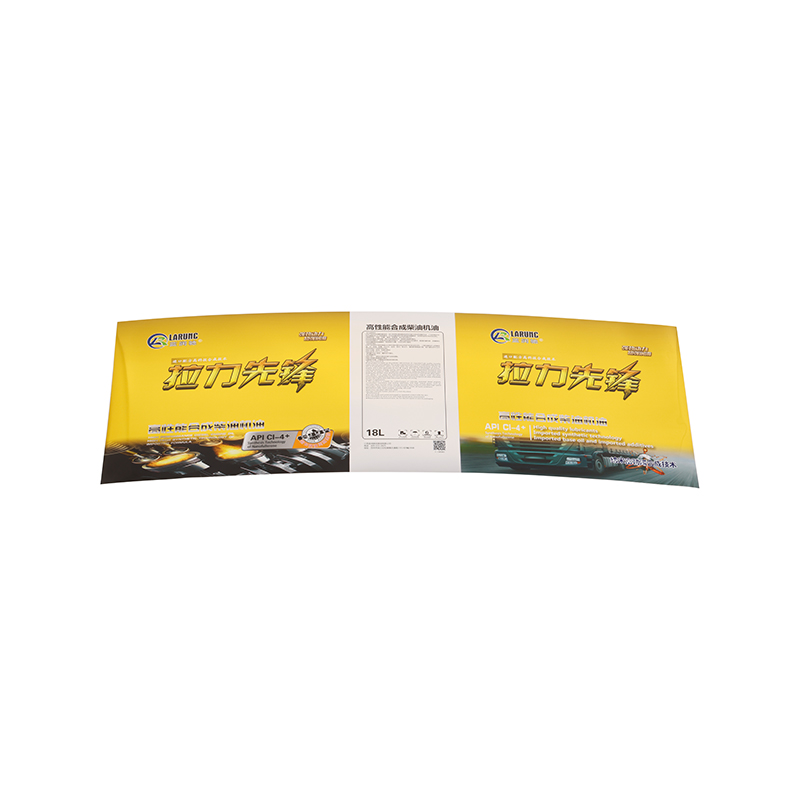
A white cup becomes a branded merchandise piece. A polyester bag gets a full-color graphic. A hard plastic case takes on a wood-grain texture. None of these decorations were printed directly on the product. They arrived on a roll of PET color heat transfer film, a polyester carrier sheet printed with colored inks and coated with adhesive, ready to transfer the design under heat and pressure. The film holds the artwork in reverse. The heat press releases it onto the substrate. For promotional product decorators, packaging converters, and textile printers, PET-based transfer film handles jobs where screen printing and direct digital printing hit their limits.
Why PET Carries the Color
PET is polyester film. It is dimensionally stable under heat, which matters when the transfer process reaches 150 to 200 degrees Celsius. The film does not stretch, shrink, or distort while the design transfers. A PET color heat transfer film maintains registration across the full sheet, so multi-color designs stay aligned from the first press to the hundredth.
The release coating on the PET surface determines how cleanly the design separates. Silicone or a modified release agent is coated onto the PET before the design layers go down. A PET color heat transfer film with a consistent release coat lets go of the design completely when heat is applied, leaving no residue on the product and no design remaining on the carrier.
The design itself is built in layers on top of the release coat. Colored inks, typically screen-printed or gravure-printed, lay down in sequence. A white backing layer provides opacity. The adhesive layer goes on last. A PET color heat transfer film with properly layered construction transfers the entire stack as one piece, with the adhesive bonding to the substrate and the colors sitting on top, protected.
Where PET Color Film Gets Used
Apparel decoration uses PET color heat transfer film for full-color logos, numbers, and graphics on jerseys, caps, and bags. The transfer handles fine details and gradients that vinyl cutting cannot reproduce. A PET color heat transfer film for fabric uses a stretchable PU-based design layer and a hot-melt adhesive that bonds to cotton, polyester, and blends.
Promotional products like mugs, keychains, and phone cases are decorated with PET transfers. The film wraps around curved surfaces and bonds to plastic, ceramic, and coated metal. A PET color heat transfer film for hard goods uses an adhesive formulated for low-surface-energy plastics.
Packaging and labeling applications use PET color transfer film for branding on cosmetic containers, food jars, and industrial packaging. The transfer replaces pressure-sensitive labels on products where a label would peel or look out of place. A PET color heat transfer film bonds directly to the package surface with no edge to lift.
Opaque, Metallic, and Textured Effects
A standard PET color transfer prints CMYK plus white for full-color reproduction on dark substrates. The white layer blocks the substrate color from showing through. A PET color heat transfer film without a white layer is only usable on white or light-colored products.
Metallic effects use a vacuum-deposited aluminum layer between the release coat and the printed colors. Gold, silver, holographic, and iridescent finishes reflect light through translucent inks. A PET color heat transfer film with a metallic layer gives the product a premium look that direct printing cannot achieve.
Textured finishes add a tactile dimension. A matte topcoat, a soft-touch feel, or a raised gloss pattern is applied as the final layer before transfer. A PET color heat transfer film with a textured finish changes how the product feels in the hand, not just how it looks.
Here is what a PET color transfer film needs to deliver:
- Dimensionally stable PET carrier with consistent release coating
- Layered ink construction with white backing for opacity on dark substrates
- Adhesive matched to the target substrate: fabric, plastic, ceramic, or metal
- Metallic, matte, soft-touch, and gloss finish options
- Clean hot or cold peel release without residue
What Fails When the Film Is Wrong
The design does not release completely from the carrier. A PET color heat transfer film with an under-cured or inconsistent release coat leaves parts of the design on the PET. The transferred image has voids. The adhesive does not bond to the substrate. A PET color heat transfer film formulated for cotton will not stick to polypropylene. The adhesive has to match the substrate chemistry.
The colors shift during transfer because the heat affects certain pigments. A PET color heat transfer film manufacturer that understands the thermal behavior of the inks adjusts the printed colors so the transferred result matches the brand's target.
A PET color heat transfer film is a temporary vehicle. It carries the design to the product and then gets thrown away. The design stays. Choose a manufacturer that coats the release layer consistently, builds the color layers for opacity, and matches the adhesive to the substrate. The product will wear the design like it was printed there from the start. That is what the film is for.
PREV:Stationery Heat Transfer Film Factory: The Film That Puts the Design on the Notebook
NEXT:Customized Heat Transfer Film: The Film That Puts Your Design on Their Product
NEXT:Customized Heat Transfer Film: The Film That Puts Your Design on Their Product
Leave A Reply
Your email address will not be published. Required fields are marked *



Wenzhou Jiafeng Technology Co., Ltd. specializes in the research and development of various heat transfer and in-mold labeling technologies.
-
Call our office
+86-577-64571870
- Send a message
-
Our address
No. 818, Haixi Road, Longgang City, Wenzhou City, Zhejiang Province
Copyright © Wenzhou JiaFeng Technology Co., Ltd.
China Heat Thermal Transfer Film Labels Factory
