 English
 عربى
عربى 中文简体
中文简体 Español
Submit feedback
Food-Grade Color IML In-Mold Label: Safe Decoration for Food Containers
Jul 31,2026
The food-grade color IML in-mold label has become a preferred decorating solution for manufacturers producing plastic food containers, cups, and packaging that require both visual appeal and regulatory compliance. This label is placed inside the mold before the container is formed, becoming permanently fused with the container surface during the molding process. Recent market data indicates that food-grade in-mold labels have gained significant adoption in the food packaging industry due to their durability, resistance to peeling, and compliance with food contact safety regulations.
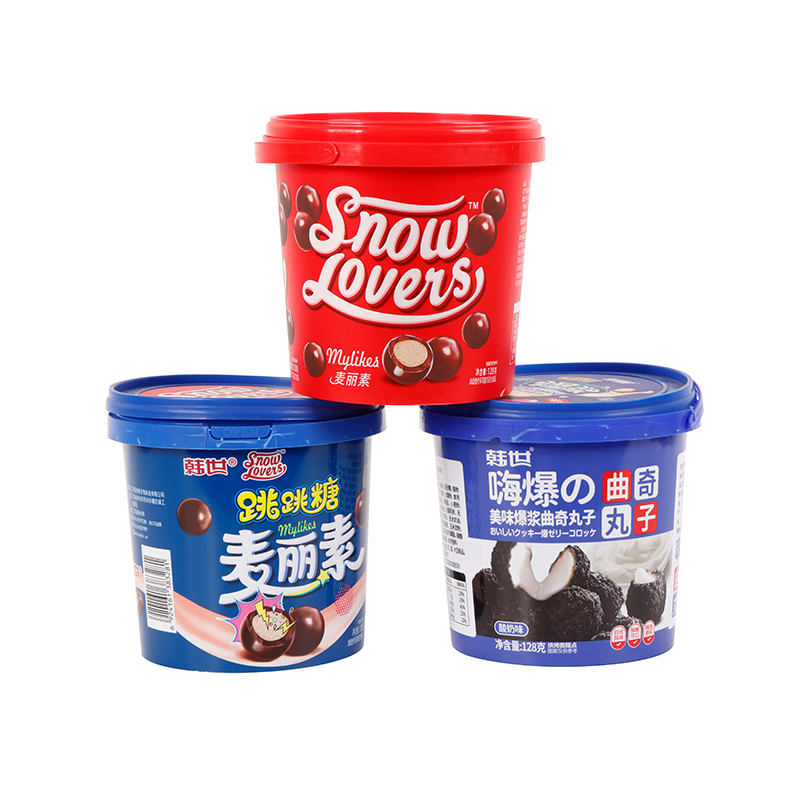
Material Composition and Food Safety Compliance
The food-grade color IML in-mold label is constructed from materials that meet strict food contact safety standards. The label substrate is typically made from polypropylene or polyethylene, selected for compatibility with the container resin and for compliance with FDA and EU food contact regulations. The inks used for printing are food-grade and formulated to withstand the heat and pressure of the molding process without releasing harmful substances. The label construction includes a printed layer containing the decorative design, an adhesive layer that activates during molding, and a protective coating that resists moisture and abrasion. All materials must comply with relevant food safety regulations, with certificates of compliance provided upon request.
Printing Capabilities and Color Accuracy
The food-grade color IML in-mold label supports multiple printing technologies to achieve high-quality results. Gravure printing delivers consistent quality for long production runs, flexographic printing suits medium runs and solid colors, and digital printing enables short runs and variable designs. The labels support full-color process printing for photographic images and spot colors for precise brand matching. Color accuracy is maintained through careful ink formulation and proofing. High-resolution printing is available for fine text and detailed graphics, and the printed colors remain stable during the molding process. The label's appearance becomes permanently fused into the container surface.
Mold Placement and Production Integration
The label is placed into the mold cavity before the plastic is injected or blown, typically using automated equipment for precision and speed. The mold is designed with vacuum ports, static electricity, or mechanical clamps to hold the label in position during the molding cycle. Proper label placement ensures the design appears correctly on the finished container without wrinkles, folds, or displacement. The label material and mold design work together to ensure the label fuses smoothly with the container surface without distortion. The integration of label placement into the molding cycle eliminates separate labeling steps and reduces production time.
Durability Properties and Container Compatibility
The label's fusion with the container during molding gives it outstanding durability and resistance:
- Resistance to peeling, scratching, and fading for maintaining appearance through repeated handling;
- Resistance to moisture, oils, and food acids for food packaging applications;
- Temperature resistance for hot-fill, refrigeration, or frozen food applications;
- Resistance to abrasion for containers that are stacked or handled frequently.
The label is compatible with polypropylene and polyethylene containers, as well as other plastics that fuse with the label during molding. The label's performance is tested under conditions including refrigeration, freezing, and microwave use. Dairy containers, ice cream tubs, margarine tubs, ready-to-eat meal trays, and beverage cups all benefit from the label's durability and compliance features.
Selection Criteria for Buyers
When selecting a food-grade color IML in-mold label, buyers evaluate container material compatibility to ensure proper fusion with the specific plastic used, regulatory compliance for food contact materials, print quality affecting final appearance and branding effectiveness, durability requirements including resistance to moisture and temperature, production volume affecting the choice of printing method, and cost and lead time. Buyers should request samples to verify label performance under actual production and use conditions before placing large orders.
PREV:Stationery Heat Transfer Film Manufacturer: The Layer That Puts the Design on the Cover
NEXT:PET Film Thermal Transfer Color Labels: Durable Printing Solution for Industrial Use
NEXT:PET Film Thermal Transfer Color Labels: Durable Printing Solution for Industrial Use
Leave A Reply
Your email address will not be published. Required fields are marked *
Related products



Wenzhou Jiafeng Technology Co., Ltd. specializes in the research and development of various heat transfer and in-mold labeling technologies.
-
Call our office
+86-577-64571870
- Send a message
-
Our address
No. 818, Haixi Road, Longgang City, Wenzhou City, Zhejiang Province
Copyright © Wenzhou JiaFeng Technology Co., Ltd.
China Heat Thermal Transfer Film Labels Factory
