 English
 عربى
عربى 中文简体
中文简体 Español
Submit feedback
PET Film Thermal Transfer Color Labels: Durable Printing Solution for Industrial Use
Jul 24,2026
The PET film thermal transfer color labels have become a preferred identification solution for industrial, logistics, and retail applications requiring durable, high-resolution printed labels. These labels combine a polyester film base with a thermal transfer coating that accepts crisp, smudge-resistant images when processed through thermal transfer printers. Recent industry reports indicate that PET film labels account for a growing share of the labeling market due to their predominant durability, chemical resistance, and professional appearance compared to paper-based alternatives.
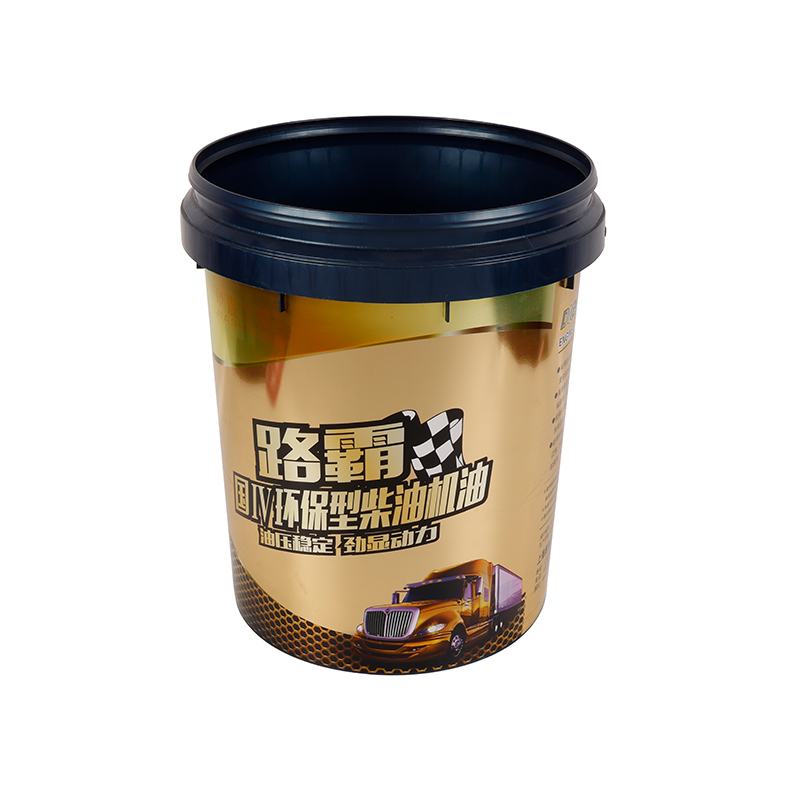
Material Composition and Ribbon Matching
The PET film thermal transfer color labels are constructed from a biaxially oriented polyester base film with thickness ranging from 25 to 75 microns. The top surface receives a coating that bonds with thermal transfer ribbons during printing, while the reverse side features an adhesive layer and a release liner. The film offers outstanding dimensional stability, resisting shrinkage or expansion under temperature changes. For ideal print quality, labels must be matched with appropriate ribbons: wax ribbons for general-purpose applications, wax-resin ribbons for enhanced durability, and resin ribbons for harsh environments. Printer settings such as heat, speed, and pressure should be adjusted according to the specific label and ribbon combination to achieve the outstanding results.
Print Resolution and Resistance Properties
PET film thermal transfer color labels deliver high-resolution printing suitable for barcodes, text, and graphics. The labels support print resolutions up to 300 or 600 dots per inch depending on the printer capability, and produce sharp, durable images resistant to smudging and fading. Color printing is available using colored ribbons in black, red, blue, or green. The labels offer several key resistance properties:
- Water and moisture resistance for applications exposed to spills or humidity;
- Chemical resistance against oils, solvents, and cleaning agents;
- Temperature resistance across a wide operating range;
- Smudge and scratch resistance for maintaining readability through handling.
These properties make PET film labels suitable for environments where paper labels would fail, including manufacturing floors, warehouses, and outdoor storage areas.
Adhesive Formulations and Surface Compatibility
The labels are available with various adhesive formulations to match different application requirements. Permanent adhesives provide a strong, long-lasting bond for most applications. Removable adhesives allow clean removal without residue. High-tack adhesives are designed for difficult surfaces such as textured plastics. Low-temperature adhesives remain effective in cold environments. The labels are compatible with cardboard, plastics, metals, painted surfaces, glass, and ceramics. Surface preparation is important for good adhesion, and labels should be applied to clean, dry surfaces free from dust, oil, or moisture. Proper adhesive selection ensures the label remains in place throughout its intended service life.
Industry Applications and Purchasing Factors
PET film thermal transfer color labels are used across many industries. In manufacturing, they identify parts and track work-in-progress. In logistics, they serve as shipping and inventory labels. In retail, they display pricing and product information. In healthcare, they label specimens and pharmaceutical packaging. When selecting labels, buyers consider print resolution requirements for small text or dense barcodes, durability needs that determine ribbon and construction type, adhesive type matched to the application surface and environment, and volume affecting cost per label. Requesting samples to verify printer and application compatibility is recommended before placing large orders. Proper storage between 15°C and 25°C with 40-60 percent humidity improves shelf life.
PREV:Food-Grade Color IML In-Mold Label: Safe Decoration for Food Containers
NEXT:Customized Pattern Heat Transfer Film: Versatile Decoration Solution for Products
NEXT:Customized Pattern Heat Transfer Film: Versatile Decoration Solution for Products
Leave A Reply
Your email address will not be published. Required fields are marked *



Wenzhou Jiafeng Technology Co., Ltd. specializes in the research and development of various heat transfer and in-mold labeling technologies.
-
Call our office
+86-577-64571870
- Send a message
-
Our address
No. 818, Haixi Road, Longgang City, Wenzhou City, Zhejiang Province
Copyright © Wenzhou JiaFeng Technology Co., Ltd.
China Heat Thermal Transfer Film Labels Factory
