 English
 عربى
عربى 中文简体
中文简体 Español
Submit feedback
Plastic Bucket Label In-Mold: Graphics That Become Part of the Container
Jun 26,2026
You have seen it before. A plastic bucket on a shelf. The label looks painted on. No edges. No peeling corners. No bubbles under the surface. That is not a sticker applied after the bucket was made. That is plastic bucket label in-mold technology. The label goes into the mold before the plastic. When the bucket is formed, the label fuses into the outer wall. It becomes part of the container, not something stuck on afterward.
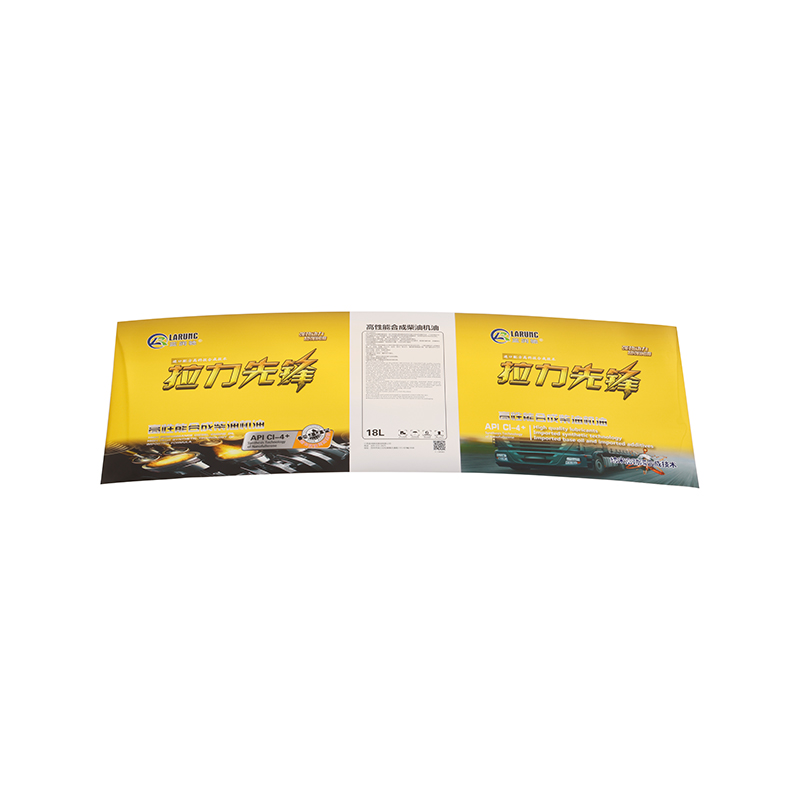
How In-Mold Labeling Works
The process sounds complicated but the idea is simple. A plastic bucket label in-mold starts as a printed film. Usually polypropylene or a similar material that bonds with the bucket plastic. The label is cut to shape and placed inside the injection mold or blow mold.
Then the machine closes. Molten plastic is injected or blown into the mold. The hot plastic hits the back of the label. The heat activates an adhesive layer or simply melts the label surface. The label bonds to the plastic as the bucket takes shape.
When the mold opens, the bucket comes out. The plastic bucket label in-mold is now part of the bucket wall. You cannot peel it off. It will not bubble or wrinkle. Water and chemicals cannot get behind it because there is no edge to lift.
The label is also durable. It resists scratching. It does not fade. It survives handling, washing, and reuse. For industrial buckets, paint cans, and chemical containers, this is a significant advantage.
Why Manufacturers Use This Method
Stick-on labels have problems. They peel. They scratch. Moisture gets under the edges. In a warehouse or on a construction site, buckets get handled roughly. A paper label gets torn off in a week. A plastic bucket label in-mold stays intact for the life of the bucket.
Chemical resistance is another reason. If a bucket holds paint, thinner, or industrial cleaner, spills happen. A sticky label gets dissolved or smeared. An in-mold label survives contact with most chemicals. The plastic protects the printing.
Recycling matters too. A plastic bucket label in-mold is made from the same material as the bucket. Usually polypropylene. When the bucket goes to recycling, the label does not have to be removed. It melts right along with the container. No separate step. No waste.
Brands like the look. A plastic bucket label in-mold has no edges. It looks like the graphic was painted directly onto the plastic. The finish can be glossy or matte. Text and logos stay sharp for years.
Here are the key advantages of in-mold labeling:
- No peeling or scratching — label is fused into the plastic
- Chemical resistance — withstands solvents and cleaners
- Recycling friendly — same material as the bucket
- Professional appearance — no edges, sharp graphics
What to Look for in an In-Mold Label
The label material must match the bucket plastic. Polypropylene buckets need polypropylene labels. Polyethylene buckets need polyethylene labels. Mix them up, and the label will not bond.
Label thickness affects performance. Too thin, and the label wrinkles under the heat. Too thick, and the label creates a bump on the bucket surface. Most plastic bucket label in-mold films are between 50 and 100 microns.
Printing quality matters. The ink must survive the molding heat. Standard inks burn or change color at high temperatures. In-mold labels use special heat-stable inks. The color stays true even when molten plastic presses against the back of the label.
Label placement must be precise. The mold uses vacuum ports or static electricity to hold the label in place. If the label shifts, the bucket comes out with a wrinkled or misplaced graphic.
Why In-Mold Labeling Is Worth the Investment
In-mold labeling costs more per bucket than stick-on labels. The label material costs more. The mold is more expensive to build. The production cycle takes slightly longer. So why use it?
Volume. For high-volume production, the per-bucket cost difference shrinks. A brand running millions of buckets per year can justify the mold cost. The durability and appearance justify the material cost.
For short runs, plastic bucket label in-mold may not make sense. The mold cost is hard to recover over only a few thousand buckets. Stick-on labels work fine for low volumes. But for brands that need buckets to look good and stay looking good, in-mold is worth the investment.
Here is when in-mold labeling makes the most sense:
- High-volume production — millions of buckets per year
- Harsh environments — chemicals, moisture, rough handling
- Premium branding — professional appearance matters
- Sustainability goals — label recycles with the bucket
A plastic bucket label in-mold is not the cheap option. It is not the fastest option. But for buckets that get handled, washed, and reused, nothing else lasts as long. The label becomes the bucket. No edges to lift. No moisture behind the printing. No peeling after a year in the warehouse. For paint, chemicals, construction supplies, and food ingredients, that durability matters. That is what in-mold labeling delivers. Labels that last. Graphics that stay. Brands that look good.
PREV:Stationery Heat Transfer Film Factory: The Designs Kids Actually Want
NEXT:Stationery Thermal Transfer Printing Films: Patterns That Stay Bright and Stick Tight
NEXT:Stationery Thermal Transfer Printing Films: Patterns That Stay Bright and Stick Tight
Leave A Reply
Your email address will not be published. Required fields are marked *
Related products



Wenzhou Jiafeng Technology Co., Ltd. specializes in the research and development of various heat transfer and in-mold labeling technologies.
-
Call our office
+86-577-64571870
- Send a message
-
Our address
No. 818, Haixi Road, Longgang City, Wenzhou City, Zhejiang Province
Copyright © Wenzhou JiaFeng Technology Co., Ltd.
China Heat Thermal Transfer Film Labels Factory
