 English
 عربى
عربى 中文简体
中文简体 Español
Submit feedback
Stationery Thermal Transfer Printing Films: Patterns That Stay Bright and Stick Tight
Jun 19,2026
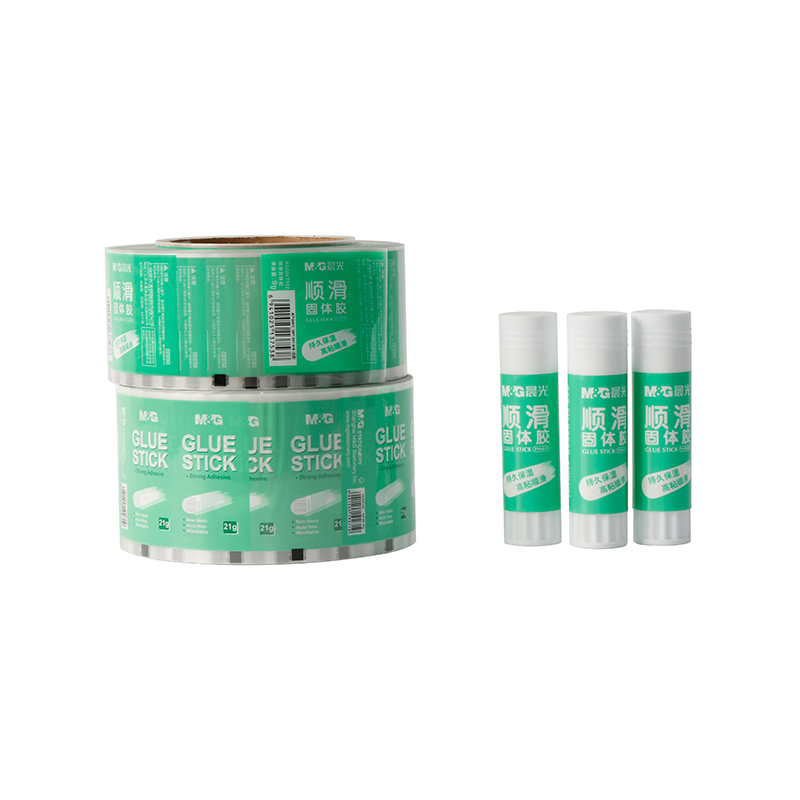
You have seen them on store shelves. Notebooks with gold foil logos. Pen cases with metallic patterns. Pencil pouches with shiny designs that do not scratch off. That is thermal transfer printing at work. A stationery thermal transfer printing film carries the design from printer to product. Heat and pressure do the transfer. The result is a decoration that lasts as long as the product itself.
How a Thin Film Carries a Design
Printing directly on a curved pen case is tricky. Printing on a flat film first, then transferring it, is easier. The film is a thin plastic sheet with the design printed on one side—in reverse. The film sits between the printer and the notebook cover. Heat activates the ink. Pressure pushes it onto the surface. Peel the film off. The design stays.
The film can carry metallic foil, solid colors, or even gradients. Gold, silver, copper. Matte or glossy. It works on notebooks, folders, binders, and pen cases. Paper, plastic, even some fabrics.
Where These Films Show Up
Notebook covers are the biggest user. A plain cover becomes a branded product with a foil logo. A metallic pattern turns a basic journal into a gift item.
Pen cases and pencil pouches are next. A metallic logo on a black pen case looks professional. It resists rubbing. It does not peel.
Binders and presentation folders also use them. A full-color design on a binder cover makes it look custom. No white edges. No fading.
What Makes a Film Work
Thickness matters. Too thick, and the film will not wrap around a curved pen case. The transfer stops at the edge. Too thin, and it tears under pressure.
The ink has to stick to the surface it lands on. Some films are for paper only. Others are for plastic. A film that works on everything usually compromises somewhere.
Heat and pressure are not optional. The film needs a specific temperature and pressure. Too hot, and the ink bleeds. Too cold, and it does not transfer at all. The printer has to be consistent.
What Cheap Films Get Wrong
Some films transfer the design cleanly at first. Then it peels off in a week. Poor adhesion is the main failure. The ink sits on top of the surface instead of bonding to it.
Others fade on a store shelf. A notebook that looked gold in the warehouse looks dull gray by the time a customer picks it up. Cheap pigment cannot handle sunlight.
Some films tear mid-transfer. The printer applies pressure. The film splits. The transfer is incomplete. The product is scrap.
The Real Cost of a Film
A cheap film costs less per roll. But it fails more often. If one in twenty notebooks comes out wrong, that is a loss. If the design peels after a month, the brand takes the hit. Customers return products. Retailers stop ordering.
A good film costs more. It transfers cleanly. It stays bright. It does not peel. The per-roll price is higher. The per-good-product price is lower.
For stationery brands, packaging suppliers, and printing shops, the film is a small part of the job. It determines whether the finished product looks professional or cheap.
Choose the right film for the material. Set the printer correctly. Test a batch before running thousands. The film is not where you want to cut corners. A good one makes your product look like it should. A bad one makes it look like a mistake. That is the difference.
PREV:Plastic Bucket Label In-Mold: Graphics That Become Part of the Container
NEXT:Paint Bucket In Mold Label: Graphics That Last
NEXT:Paint Bucket In Mold Label: Graphics That Last
Leave A Reply
Your email address will not be published. Required fields are marked *



Wenzhou Jiafeng Technology Co., Ltd. specializes in the research and development of various heat transfer and in-mold labeling technologies.
-
Call our office
+86-577-64571870
- Send a message
-
Our address
No. 818, Haixi Road, Longgang City, Wenzhou City, Zhejiang Province
Copyright © Wenzhou JiaFeng Technology Co., Ltd.
China Heat Thermal Transfer Film Labels Factory
