 English
 عربى
عربى 中文简体
中文简体 Español
Submit feedback
Plastic Bucket Label In-Mold: Labels That Become Part of the Container
Jun 05,2026
You have seen it before. A plastic bucket sitting on a shelf. The label looks painted on. No edges. No peeling corners. No bubbles under the surface. That is not a sticker applied after the bucket was made. That is plastic bucket label in-mold technology. The label goes into the mold before the plastic. When the bucket is formed, the label fuses into the outer wall. It becomes part of the container, not something stuck on afterward.
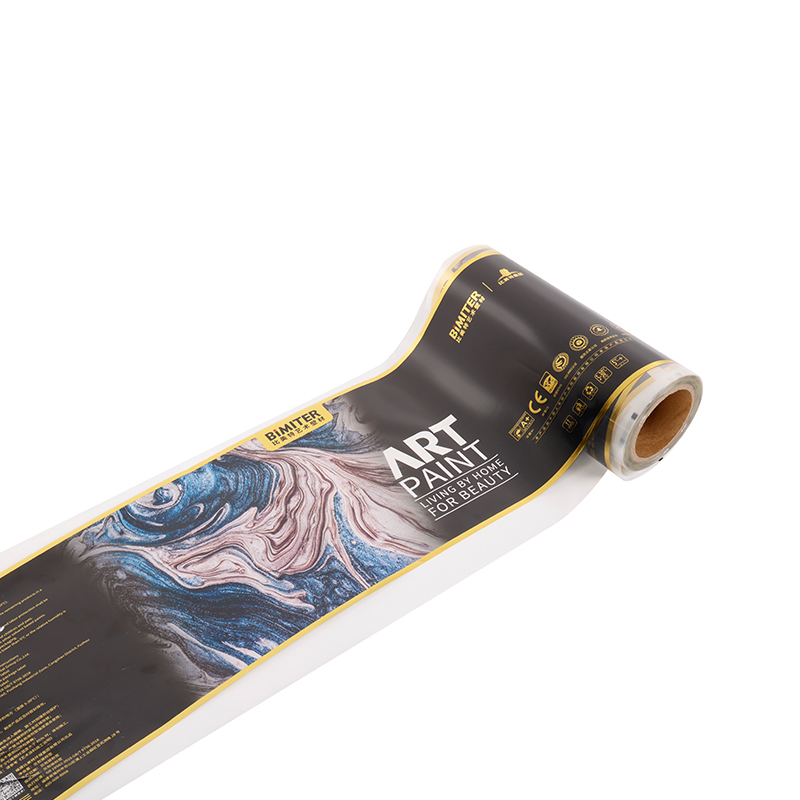
How In-Mold Labeling Works
The process sounds complicated but the idea is simple. A plastic bucket label in-mold starts as a printed film. Usually polypropylene or a similar material that bonds with the bucket plastic. The label is cut to shape and placed inside the injection mold or blow mold.
Then the machine closes. Molten plastic is injected or blown into the mold. The hot plastic hits the back of the label. The heat activates an adhesive layer or simply melts the label surface. The label bonds to the plastic as the bucket takes shape.
When the mold opens, the bucket comes out. The plastic bucket label in-mold is now part of the bucket wall. You cannot peel it off. It will not bubble or wrinkle. Water and chemicals cannot get behind it because there is no edge to lift.
Why Manufacturers Use This Method
Stick-on labels have problems. They peel. They scratch. Moisture gets under the edges. In a warehouse or on a construction site, buckets get handled roughly. A paper label gets torn off in a week. A plastic bucket label in-mold stays intact for the life of the bucket.
Chemical resistance is another reason. If a bucket holds paint, thinner, or industrial cleaner, spills happen. A sticky label gets dissolved or smeared. An in-mold label survives contact with chemicals. The plastic protects the printing.
Recycling matters too. A plastic bucket label in-mold is made from the same material as the bucket. Usually polypropylene. When the bucket goes to recycling, the label does not have to be removed. It melts right along with the container. No separate step. No waste.
Brands like the look. A plastic bucket label in-mold has no edges. It looks like the graphic was painted directly onto the plastic. The finish can be glossy or matte. Text and logos stay sharp for years.
The Label Itself Matters
Not every film works for plastic bucket label in-mold. The material has to match the bucket plastic. Polypropylene buckets need polypropylene labels. Polyethylene buckets need polyethylene labels. Mix them up, and the label will not bond.
The thickness of the label affects performance. Too thin, and the label wrinkles under the heat. Too thick, and the label creates a bump on the bucket surface. plastic bucket label in-mold films are between 50 and 100 microns. Thick enough to handle. Thin enough to conform.
Printing on the label has to be done with inks that survive the molding heat. Standard inks burn or change color at high temperatures. In-mold labels use special heat-stable inks. The color stays true even when molten plastic presses against the back of the label.
Types of Buckles and Molds
The in-mold process works with different molding methods. Injection molding is common for smaller buckets and pails. The label is placed in the cavity. Plastic is injected behind it. The label ends up on the outside of the finished part.
Blow molding works for larger buckets and drums. A tube of hot plastic hangs inside the mold. The mold closes, trapping the plastic tube. Air blows the plastic outward against the mold walls. The plastic bucket label in-mold sits on the mold surface. The plastic presses against it as it expands.
Some plastic bucket label in-mold applications use the entire outer surface. Others use a recessed area. The mold has a shallow depression where the label sits. The finished bucket has a smooth surface with the label sitting slightly below the surrounding plastic. This protects the label from scratches.
What Can Go Wrong
In-mold labeling is not foolproof. The label has to stay in place while the mold closes. Static electricity helps hold it. Sometimes vacuum ports in the mold hold the label flat. If the label shifts, the bucket comes out with a wrinkled or misplaced graphic.
Temperature control matters. Too cold, and the label does not bond fully. The plastic shrinks away from the label as it cools, leaving a gap. Too hot, and the label melts through. The graphic distorts or disappears.
Label placement has to be precise. A plastic bucket label in-mold that sits off-center looks unprofessional. The mold has locating pins or sensors to ensure consistent placement. But if the label stock is cut poorly, even a good mold produces bad results.
A Label That Lasts
A plastic bucket label in-mold is not the cheap option. It is not the fastest option. But for buckets that get handled, washed, and reused, nothing else lasts as long. The label becomes the bucket. No edges to lift. No moisture behind the printing. No peeling after a year in the warehouse. For paint, chemicals, construction supplies, and food ingredients, that durability matters.
PREV:Paint Bucket In Mold Label: Graphics That Last
NEXT:When Did Packaging Become a Competitive Tool Instead of Just a Container?
NEXT:When Did Packaging Become a Competitive Tool Instead of Just a Container?
Leave A Reply
Your email address will not be published. Required fields are marked *



Wenzhou Jiafeng Technology Co., Ltd. specializes in the research and development of various heat transfer and in-mold labeling technologies.
-
Call our office
+86-577-64571870
- Send a message
-
Our address
No. 818, Haixi Road, Longgang City, Wenzhou City, Zhejiang Province
Copyright © Wenzhou JiaFeng Technology Co., Ltd.
China Heat Thermal Transfer Film Labels Factory
