 English
 عربى
عربى 中文简体
中文简体 Español
Submit feedback
Paint Bucket In Mold Label: Graphics That Last
Jun 12,2026
A paint bucket gets handled hard. Dropped. Dragged. Splashed with paint thinner. A sticky label peels. It scratches. Chemicals dissolve it. An paint bucket in mold label is different. The label goes into the mold before the bucket is formed. Plastic fuses around it. The label becomes part of the bucket wall. No edges to lift. No ink to smear. Here is what buyers look for.
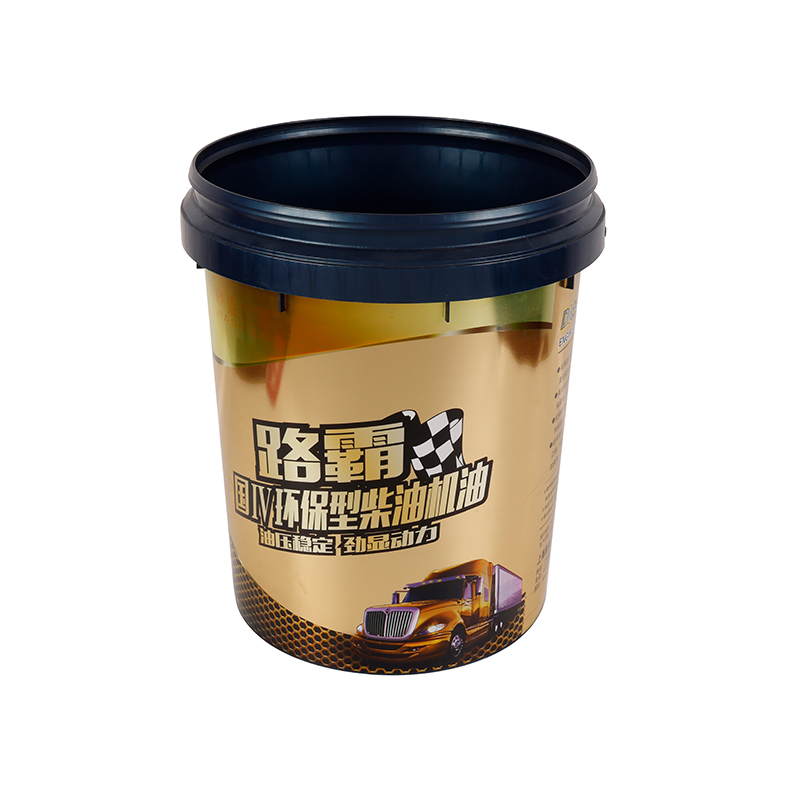
What an In Mold Label Is and How It Works
The label is placed in the mold before plastic is injected
A paint bucket in mold label starts as a printed film. Polypropylene. Same material as the bucket. The label is cut to shape. A robot arm places it into the injection mold. The mold closes. Molten plastic shoots in. The plastic hits the back of the label. Heat and pressure bond the label to the bucket.
The mold opens. The bucket comes out. The label is fused into the plastic. You cannot peel it off. You cannot scratch it off. It is part of the bucket.
The label survives paint, thinner, and rough handling
Paint spills on the bucket. Wipe it off. The label stays. Thinner splashes. Wipe it off. The label stays. A paint bucket in mold label does not wrinkle. Does not bubble. Does not fade from chemicals.
Sticky labels dissolve in thinner. The ink runs. The label falls off. The customer cannot read the instructions. The brand looks bad.
Why Paint Buckets Need In Mold Labels
Paint stores stack buckets high and move them often
A home center stacks paint buckets on pallets. Three high. The buckets shift. Sticky labels get scuffed. The print wears off. An paint bucket in mold label is below the surface. The print cannot wear off.
Workers move buckets with hand trucks. The hand truck rubs against the bucket. A sticky label peels at the corner. The corner catches. The label tears. The in mold label has no corner to catch.
Painters are rough on buckets
A painter carries a bucket up a ladder. The bucket bangs against the ladder. It drops. It gets kicked. A paint bucket in mold label survives. The graphics stay readable.
Painters also clean buckets with solvent. Wipe the outside. The solvent hits a sticky label. The label dissolves. The in mold label does not care.
Here is where paint bucket in mold label beats sticky labels:
- Solvent exposure — in mold resists, sticky dissolves
- Abrasion — in mold protected below surface, sticky wears off
- Moisture — in mold sealed, sticky peels in humidity
- Long shelf life — in mold stays, sticky dries out and cracks
What to Look for in a Paint Bucket In Mold Label
Film material matches the bucket plastic
The label and the bucket need to be the same material. Polypropylene bucket needs polypropylene label. Polyethylene bucket needs polyethylene label. A paint bucket in mold label made from the wrong material does not bond.
The label thickness is critical. Too thin, and it wrinkles in the mold. Too thick, and it creates a bump on the bucket surface. 50 to 75 microns is standard.
Printing needs to survive the molding heat
The ink goes on the label before molding. The molding process heats the label to 200 degrees Celsius. The ink must survive that heat. A paint bucket in mold label with cheap ink changes color. Red turns orange. Blue turns green.
Good inks are formulated for in mold labeling. They are stable at high temperatures. The color stays true.
Label placement must be precise
The robot places the label in the mold. The position needs to be exact. A paint bucket in mold label that is off-center looks bad. The bucket is scrap.
Vacuum ports in the mold hold the label in place. Static electricity helps. The mold surface has tiny holes. Vacuum pulls the label flat. No wrinkles. No shifting.
Here is what label placement affects:
- Centered label — looks professional, brand looks good
- Off-center label — looks like a defect, brand looks cheap
- Wrinkled label — product looks damaged, customer hesitates to buy
What Goes Wrong with Cheap In Mold Labels
The label wrinkles in the mold
Poor vacuum. Wrong thickness. A paint bucket in mold label wrinkles when the plastic flows. The wrinkle is permanent. The bucket is scrap. The factory loses material and time.
The label does not bond fully
The plastic does not melt the label back. The label peels off after molding. A paint bucket in mold label that peels is worse than a sticky label. At least a sticky label stayed on for a while.
The ink fades from UV exposure
The label is on the bucket for months on a store shelf. Sunlight through the window hits the bucket. Cheap ink fades. The brand colors change. The product looks old.
The label cracks at the bucket rim
The rim of the bucket flexes when the lid is snapped on. A paint bucket in mold label that extends over the rim cracks. The crack shows white plastic underneath. The bucket looks damaged.
A paint bucket in mold label costs more than a sticky label. The film costs more. The printing costs more. The robot placement adds time. But the label lasts as long as the bucket.
For a cheap product sold once, a sticky label is fine. For a paint bucket that sits on a shelf for a year, then gets used over months, the in mold label pays off. No peeling. No fading. No chemical damage.
Buyers who choose in mold labels want their brand to look good through the life of the product. Not just at the store shelf. At the job site. At the cleanup.
A paint bucket in mold label says the brand cares about quality. The customer sees a label that will not peel. They trust the paint inside more. That trust leads to repeat sales. The extra cost of the label comes back in brand loyalty. Worth it.
PREV:Stationery Thermal Transfer Printing Films: Patterns That Stay Bright and Stick Tight
NEXT:Plastic Bucket Label In-Mold: Labels That Become Part of the Container
NEXT:Plastic Bucket Label In-Mold: Labels That Become Part of the Container
Leave A Reply
Your email address will not be published. Required fields are marked *



Wenzhou Jiafeng Technology Co., Ltd. specializes in the research and development of various heat transfer and in-mold labeling technologies.
-
Call our office
+86-577-64571870
- Send a message
-
Our address
No. 818, Haixi Road, Longgang City, Wenzhou City, Zhejiang Province
Copyright © Wenzhou JiaFeng Technology Co., Ltd.
China Heat Thermal Transfer Film Labels Factory
