 English
 عربى
عربى 中文简体
中文简体 Español
Submit feedback
Customized Pattern Heat Transfer Film: Versatile Decoration Solution for Products
Jul 17,2026
The customized pattern heat transfer film has become a widely adopted decorating method for manufacturers seeking to apply intricate designs, logos, and graphics to various product surfaces. This film carries a printed pattern that transfers onto substrates such as plastics, metals, ceramics, and textiles when heat and pressure are applied during the transfer process. Recent market analysis indicates that customized heat transfer films account for a growing portion of decorative finishing solutions due to their ability to reproduce complex patterns with consistent quality across large production runs.
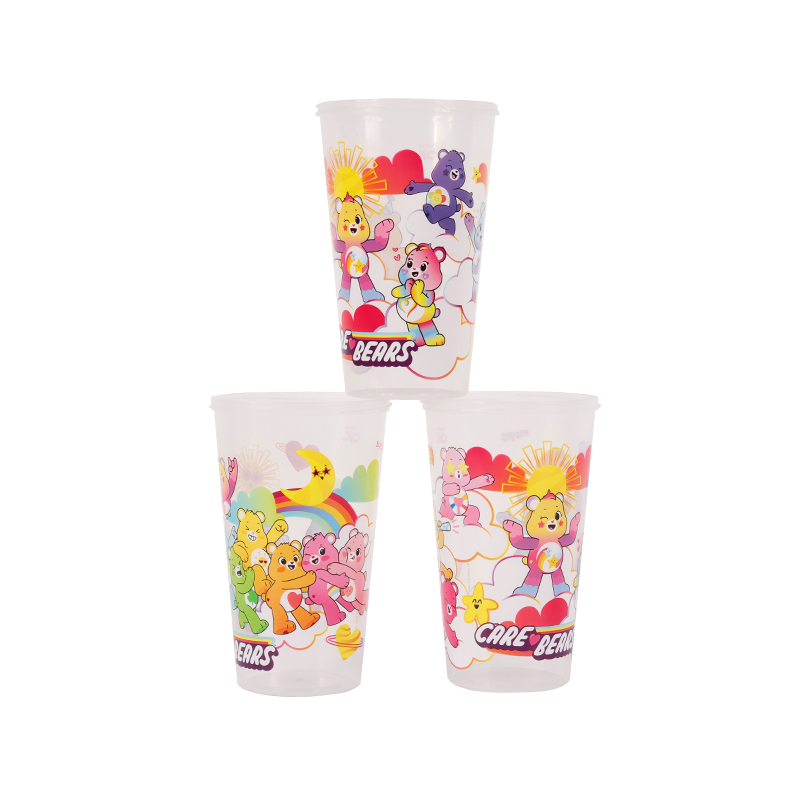
Film Structure and Transfer Mechanism
The customized pattern heat transfer film consists of multiple layers engineered to deliver the printed design onto the target surface. The base layer is a polyester or paper carrier that provides dimensional stability during printing and transfer. Above this, a release coating allows the printed layer to separate cleanly from the carrier when heat is applied. The printed layer contains the customized pattern, applied using gravure, flexographic, or digital printing methods. An adhesive layer activates under heat and pressure, bonding the design to the substrate. The transfer process requires precise temperature control, typically between 120°C and 200°C, with dwell times ranging from 1 to 10 seconds depending on the film formulation and substrate material.
Customization Options and Printing Capabilities
The film supports virtually unlimited design possibilities, allowing manufacturers to match brand requirements and product aesthetics. The factory offers full-color process printing for photographic images and complex artwork, spot colors for brand matching and solid areas, metallic and holographic effects for premium packaging, and matte, gloss, or textured finishes for tactile and visual variety. Digital printing is available for short runs and rapid prototyping, while gravure is preferred for long production runs. Design proofing is available to verify color accuracy before production, and the design capability covers consumer goods, automotive, cosmetics, and electronics industries.
Material Compatibility and Durability
The customized pattern heat transfer film is compatible with a wide range of substrate materials. Compatible plastics include polypropylene, polyethylene, ABS, and polystyrene. Metals and coated metals are suitable for decorative finishes on appliances and automotive parts. Ceramics and glass are used for tableware and decorative items. Textiles are compatible for garment decoration and soft goods. The film provides strong adhesion and resistance to wear. Key performance characteristics include:
- Scratch resistance for frequently handled products;
- Chemical resistance for products exposed to cleaning agents or oils;
- UV resistance for outdoor applications and products displayed in sunlight;
- Flexibility for use on curved or flexible surfaces without cracking.
Different film formulations are available to meet specific durability requirements, and testing is recommended before full production.
Production Workflow and Selection Criteria
The production workflow begins with design and artwork preparation, followed by proofing and approval. Once approved, film production uses the selected printing method for the required quantity, with lead times depending on complexity and volume. After production, the film is slit and packaged for shipment. When selecting a supplier, buyers evaluate substrate compatibility and adhesion requirements, durability expectations for scratch and chemical resistance, production volume affecting printing method choice, artwork complexity affecting cost, and lead time and price. Buyers should request samples and testing before full production to ensure the film meets requirements. The supplier should also provide technical support to help optimize the transfer process and substrate preparation. The film is used across consumer goods, automotive, cosmetics, electronics, and promotional items.
PREV:PET Film Thermal Transfer Color Labels: Durable Printing Solution for Industrial Use
NEXT:Plastic Bucket Label In-Mold Factory: Production Advances for Durable Decoration
NEXT:Plastic Bucket Label In-Mold Factory: Production Advances for Durable Decoration
Leave A Reply
Your email address will not be published. Required fields are marked *
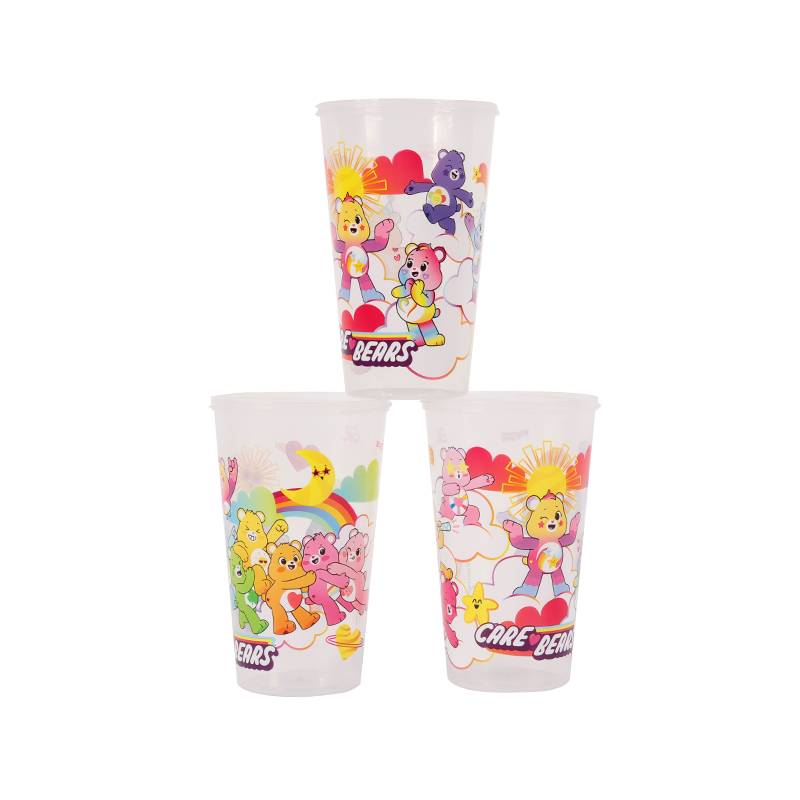



Wenzhou Jiafeng Technology Co., Ltd. specializes in the research and development of various heat transfer and in-mold labeling technologies.
-
Call our office
+86-577-64571870
- Send a message
-
Our address
No. 818, Haixi Road, Longgang City, Wenzhou City, Zhejiang Province
Copyright © Wenzhou JiaFeng Technology Co., Ltd.
China Heat Thermal Transfer Film Labels Factory
