How Plastic Bucket Label In-Mold Works
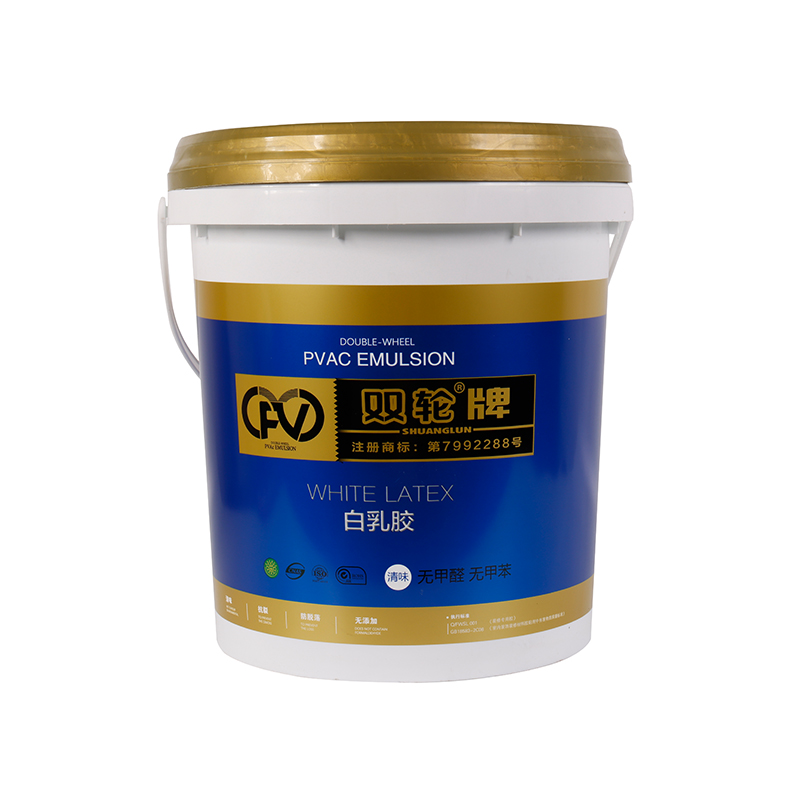
Plastic bucket label in-mold technology involves embedding pre-printed labels into the bucket surface during the injection molding process. Labels are placed inside the mold cavity before molten plastic is injected. As the plastic solidifies, the label becomes part of the bucket’s surface, producing a smooth and durable finish that resists peeling, abrasion, and chemical exposure.
This method is commonly used for household and industrial plastic buckets, including those for detergents, food storage, and construction materials. The process supports multi-color designs and detailed graphics while maintaining regulatory and safety information directly on the container. Critical factors for successful application include selecting compatible carrier films and inks, ensuring proper label alignment in the mold, and controlling mold temperature and pressure. Plastic bucket in-mold labeling streamlines production, reduces post-molding labor, and provides consistent results across large production batches.
Paint Bucket In Mold Label: Specific Considerations
Paint bucket in-mold labels are designed for containers used in paints, coatings, and related chemical products. These labels must withstand chemical exposure, moisture, and frequent handling while maintaining clarity and adhesion. The in-mold labeling process ensures that printed designs are embedded into the bucket surface, creating a label that is resistant to scratches, smudging, or fading.
Applications include buckets for water-based and solvent-based paints, primers, and protective coatings. Choosing the right carrier film and heat-resistant ink is essential to maintain print integrity during high-temperature molding. Proper mold preparation and label placement prevent issues such as wrinkles, bubbles, or misalignment. Paint bucket in-mold labels provide both functional and decorative benefits, ensuring product information remains visible and that brand graphics are presented clearly throughout the container’s lifecycle.
PET In-Mold Labels: Versatility and Applications
PET in-mold labels are tailored for use with polyethylene terephthalate (PET) containers, which are widely used in food packaging, beverages, and household chemicals. PET labels are pre-printed and inserted into the mold, where they bond with the container material during molding. These labels are valued for their clarity, durability, and compatibility with transparent or colored PET containers.
Key considerations for PET in-mold labels include carrier film selection, ink formulation, and temperature resistance. The labels must conform to mold contours without wrinkling and maintain adhesion under various handling conditions. PET in-mold labels are suitable for liquid products, detergents, and food packaging, providing both decorative and functional labeling. They also support high-speed production, allowing consistent and precise placement of graphics across large batches. Proper calibration of mold temperature, injection pressure, and dwell time is essential to prevent defects and achieve a uniform, durable finish.
Practical Guidance for Effective In-Mold Labeling
Implementing in-mold labels successfully requires attention to several factors: substrate material, label type, mold preparation, and process parameters. Labels should be compatible with the molding plastic and inks should withstand heat and pressure without fading or deforming. Surface cleanliness and precise alignment in the mold are crucial for consistent results. Testing and small-scale trials can help determine temperature, pressure, and timing settings before full production runs.
Plastic bucket label in-mold, paint bucket in mold label, and PET in-mold labels each address specific packaging requirements. Plastic bucket labels emphasize durability and multi-purpose utility, paint bucket labels focus on chemical resistance and clarity, and PET labels prioritize transparency, adhesion, and compatibility with liquid containers. Using these labeling techniques streamlines production, reduces secondary labeling, and enhances the appearance and functionality of the packaging.
Understanding the differences between Plastic Bucket Label In-Mold, Paint Bucket In Mold Label, and PET In-Mold Labels helps manufacturers choose appropriate materials and processes for various applications. With proper equipment calibration, careful handling, and attention to label design and placement, these in-mold labeling methods can produce packaging that is durable, visually consistent, and operationally efficient across industrial and consumer products.

 English
 عربى
عربى 中文简体
中文简体 Español