How Do Household Thermal Transfer Printing Films Work?
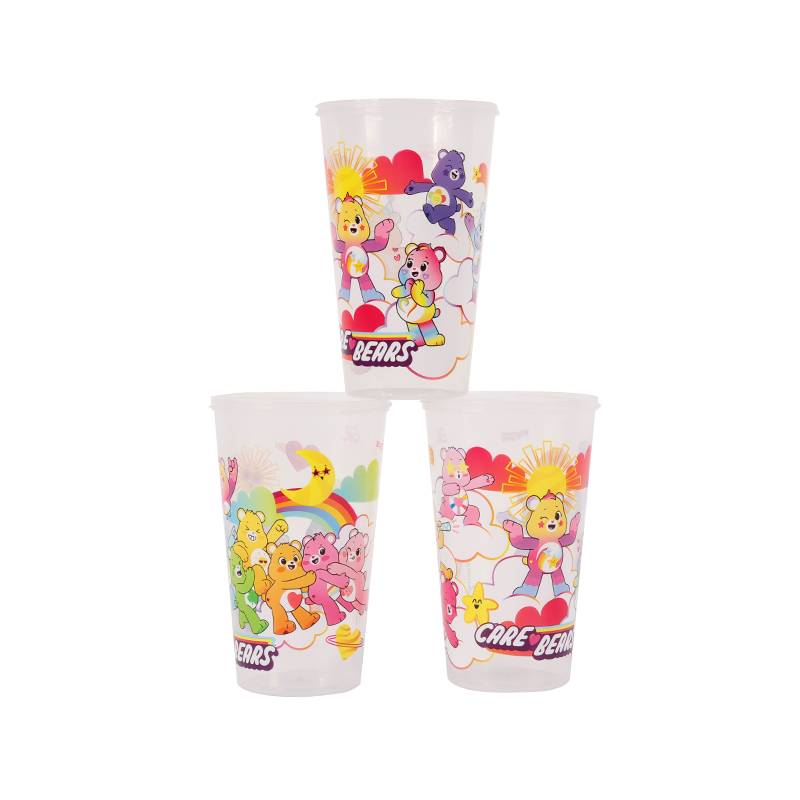
Household Thermal Transfer Printing Films are designed for home or small-scale applications where ease of use and consistent results are required. These films consist of a carrier layer and an ink layer that melts when exposed to heat and pressure, transferring images, text, or patterns onto substrates such as plastics, fabrics, or coated papers.
Practical considerations include adjusting temperature and pressure settings based on the substrate type. Too much heat may warp delicate materials, while insufficient pressure can result in incomplete transfers. These films are commonly used for personal projects, small-scale product labeling, or custom decorative applications. By selecting films suited to the specific material and controlling process parameters, users can achieve clear, well-defined prints that maintain visual quality over time.
What Are the Advantages of Chemical Resistant Heat Transfer Printing Film?
Chemical Resistant Heat Transfer Printing Film is engineered to withstand exposure to chemicals, solvents, and cleaning agents without losing adhesion or visual clarity. This type of film is particularly relevant for industrial labeling, laboratory equipment, and containers that come into contact with cleaning fluids or chemicals.
The design of these films typically includes a robust carrier and a specialized ink layer that resists degradation from chemical interactions. Successful application requires attention to substrate compatibility and thermal settings. Films must bond securely to the surface to prevent peeling or smudging when exposed to harsh environments. Using chemical-resistant films ensures that product markings, instructional labels, and branding remain intact, supporting operational efficiency and safety compliance.
How Does Pet Film for Heat Transfer Printing Enhance Durability?
Pet Film for Heat Transfer Printing refers to polyester-based films that provide dimensional stability, smooth surface quality, and strong adhesion properties during the heat transfer process. These films are widely used in industrial applications where consistent image quality and durability are essential.
The key advantage of PET films is their ability to maintain shape and thickness under varying temperatures, which helps achieve uniform transfer results. PET films also provide surface smoothness, reducing the likelihood of ink smearing or uneven edges. They are compatible with a variety of substrates, including plastics, coated metals, and synthetic fabrics. Selecting the right PET film requires consideration of substrate properties, desired transfer resolution, and processing conditions to maintain clarity and adhesion.
Practical Applications Across Industries
Understanding Household Thermal Transfer Printing Films, Chemical Resistant Heat Transfer Printing Film, and Pet Film for Heat Transfer Printing allows manufacturers and users to select the suitable material for each project. Household films provide convenience for personal and small-scale tasks, chemical-resistant films address industrial and laboratory requirements, and PET films ensure durability and high-quality visuals for a variety of surfaces.
Process control plays a significant role in achieving results. Adjusting temperature, pressure, and dwell time according to film type and substrate ensures clear, consistent transfers while reducing material waste. Proper handling and storage of films also extend their usability and prevent degradation from environmental factors such as humidity or UV exposure. By combining material knowledge with practical processing techniques, users can achieve predictable, high-quality outcomes across diverse applications.

 English
 عربى
عربى 中文简体
中文简体 Español